Alaska’s contract-labor analysis begins with three conditions that all must be met
Alaska’s Employment Security Tax materials say a contract laborer must satisfy three conditions to be excluded from UI coverage: freedom from direction and control, service outside the employer’s usual course or place of business, and an independently established trade or business of the same nature. Failure to report a worker who does not meet the conditions can lead to additional tax, interest, and penalties.
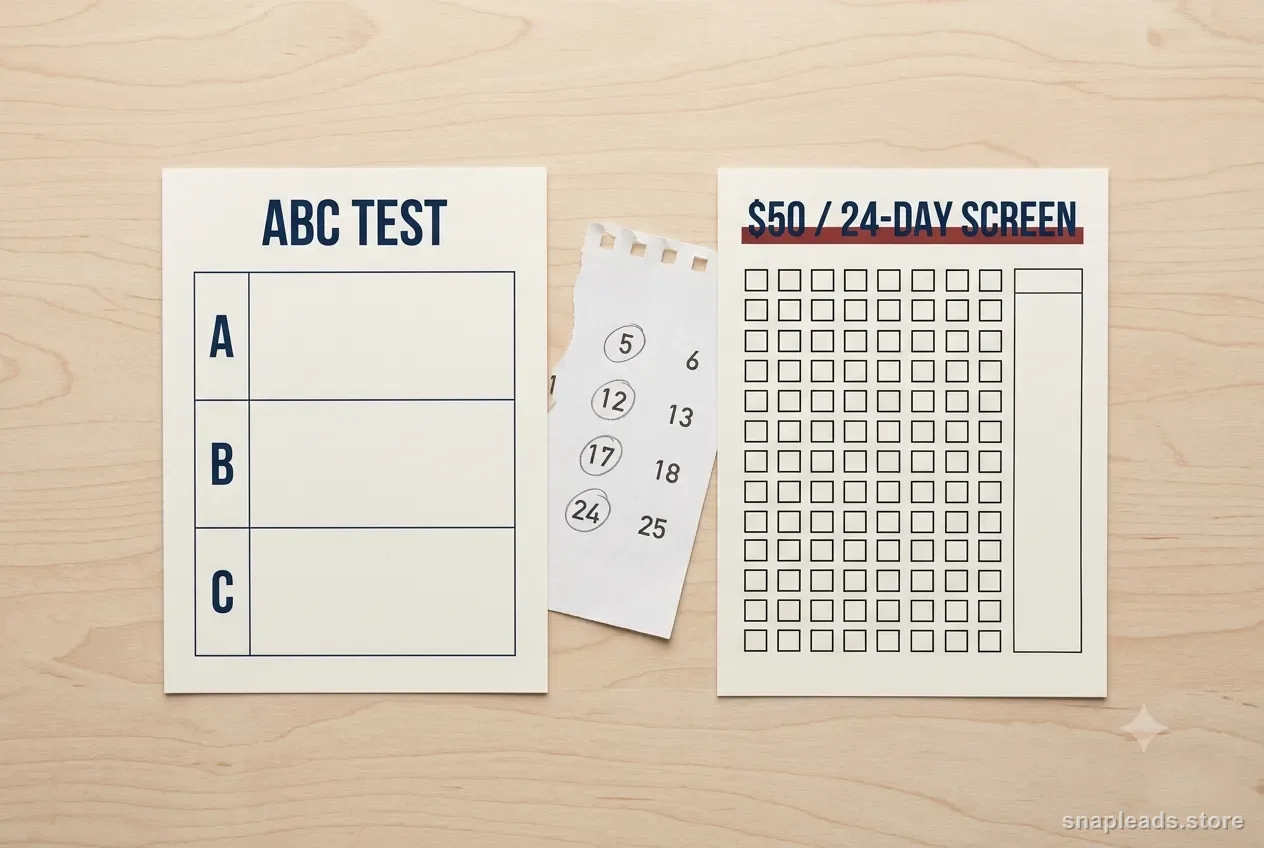
Structure the file A, B, C. For A, preserve control and decision-right evidence. For B, describe the employer’s business and every material place the work is performed. For C, show the contractor’s market-facing enterprise. A business license or contract is supporting context; Alaska’s materials emphasize the real relationship.
Alaska’s control discussion includes economic and completion responsibility
The state’s contract-labor brochure explains control with practical examples: an independent contractor has freedom over hours, days, materials, customers, assistants, and fees, while a business that bears responsibility for the finished product or directs the way the work is done can present employee-like facts. The brochure also discusses economic dependence as relevant to control.
Do not reduce A to “no supervisor.” Review customer concentration, who bears legal and rework responsibility, who sets fees, who can hire assistance, and whether the payer is concerned only with the result or also the way it is produced. Some facts may support different inferences; record them rather than forcing a one-sided summary.
For B, a jobsite can be the employer’s place of business
Alaska’s brochure gives an important place-of-business example: a construction jobsite can be the usual place of business for contractors, and points of sale can be places of business for salespeople. That cautions against reading B as “not at headquarters.” The operational location of the business matters.
Build a location map for mobile or site-based work. Identify where the company delivers its service, where the worker performs, whether the customer site functions as the company’s business location for the work, and whether the service is in the company’s usual course. A remote address alone is not a complete B analysis.
C asks whether the contractor’s business could exist independently of this payer
Alaska says a sign of independent business is not merely possession of a business license but whether the worker’s business could exist independent of the particular employer. The state points to work for others, advertising, personal tools and supplies, proposals or bids, fee-setting, and liability for performance as relevant signs.
Use those facts to answer a continuity question: if this contract ends tomorrow, what business remains? Preserve other customer records, marketing, proposals, equipment, insurance, and pricing. If the honest answer is that no independent enterprise remains, C deserves closer review even if the worker controls daily technique.
The $50 / 24-day provision is a separate screen for certain outside-course services
Alaska’s brochure separately reproduces a statutory rule concerning service not in the course of the employing unit’s trade or business. It explains that such service can still be covered when cash remuneration reaches $50 or more in a calendar quarter and the individual is regularly employed to perform that kind of service, with “regularly employed” described by service on some portion of each of 24 days in the quarter or preceding quarter.
Do not splice those thresholds into the ABC test. Instead, add a separate “casual/outside-course service” screen. Identify the type of service, quarterly cash remuneration, days worked in the relevant quarters, and whether the person is regularly employed to perform that service. This prevents the company from assuming that work outside its usual course is automatically outside UI coverage.
Keep this day-count screen on a separate worksheet from the ABC analysis. One asks whether the statutory remuneration-and-regular-employment condition for certain outside-course services is met; the other asks whether all three contractor conditions are established. Combining the two into one “Alaska contractor” checkbox makes it difficult to see which legal path actually produced the reporting conclusion.
Quarterly data makes the 24-day question easier to answer contemporaneously
The 24-day threshold is a records problem. By the time an audit arrives, managers may not remember whether a worker came in on 18, 24, or 30 separate days. Build the data from invoice dates, access logs, time records, delivery tickets, or calendar entries while the quarter is current.
For recurring casual services such as maintenance or specialty support, add a quarter-end report showing cash paid and service days. The report does not decide status on its own, but it tells the reviewer when the additional Alaska screen may matter and preserves the facts needed to apply it.
Alaska’s current employer materials still warn against contract labels
Alaska’s Employment Security Tax handbook and employer materials state that agreements cannot waive coverage or alter the real relationship when the legal conditions are not met. That means a clause saying the worker is responsible for taxes should never be the centerpiece of the file.
Keep the agreement because it can show rights and obligations, but organize the packet around actual control, business context, independent-market evidence, and any casual-labor screen. If the relationship changes, preserve separate periods instead of replacing the earlier records.
ALASKA TWO-SCREEN TOOL
ABC classification + outside-course threshold screen
Run Screen 2 separately when the service is outside the employing unit’s trade or business.
| Screen | Fact | Record | Why it matters |
|---|---|---|---|
| ABC-A | Direction/control | Instructions, fee-setting, helpers | All ABC conditions required |
| ABC-B | Usual course/place | Business map, jobsites | Jobsite can matter |
| ABC-C | Independent enterprise | Clients, bids, tools, insurance | License alone is weak |
| Outside-course | Cash paid in quarter | AP ledger | Compare with $50 threshold |
| Outside-course | Days service performed | Logs, tickets, calendar | Check 24-day regular-employment rule |
WORKED EXAMPLE
Example: an Alaska office assumes a recurring repair worker is “casual” because repairs are not its business
An Alaska professional office uses the same repair technician throughout the winter. Building repair is outside the office’s usual business, and the technician invoices through a small business. No one tracks how many days the technician appears because each visit is short.
At quarter end, AP shows more than $50 paid and access records show service on 27 separate days. The company does not treat those numbers as a fourth ABC factor; it opens the separate outside-course service screen and reviews the statutory coverage question using the preserved day-count evidence.
Without the quarter-end report, the company would have known the dollar amount but lost the fact most difficult to reconstruct: days of service.
COMMON QUESTIONS
Frequently asked
- What is Alaska’s $50 / 24-day rule?
- For service not in the course of the employing unit’s trade or business, Alaska’s materials describe coverage when cash remuneration reaches $50 or more in a calendar quarter and the person is regularly employed to perform that service — described as service on some portion of each of 24 days in the quarter or the preceding quarter.
- Is the $50 / 24-day test a fourth ABC prong?
- No. Keep it on a separate worksheet. First analyze contract labor under the three ABC exclusion conditions; then run the casual / outside-course screen for remuneration and regular employment. Combining them hides which legal path produced the answer.
- Can a jobsite count as the employer’s place of business under prong B?
- Yes. Alaska’s brochure says a construction jobsite can be the usual place of business for contractors, and points of sale can be places of business for salespeople. 'Outside the place of business' does not simply mean 'not at headquarters.'
- Why track service days during the quarter?
- The 24-day threshold is a records problem. After an audit begins, no one remembers whether a worker appeared on 18, 24, or 30 days. Build the count from invoice dates, access logs, or delivery tickets while the quarter is current. What triggers a state UI audit.