GUIDE LIBRARY
Worker classification,
organized by the job to do.
Each article answers one employer-side question and names the official material used to support the process.
01
01 / START HERE
Classification basics
Build a fact record around behavioral control, financial control, and the type of relationship before choosing 1099 or W-2 treatment.
01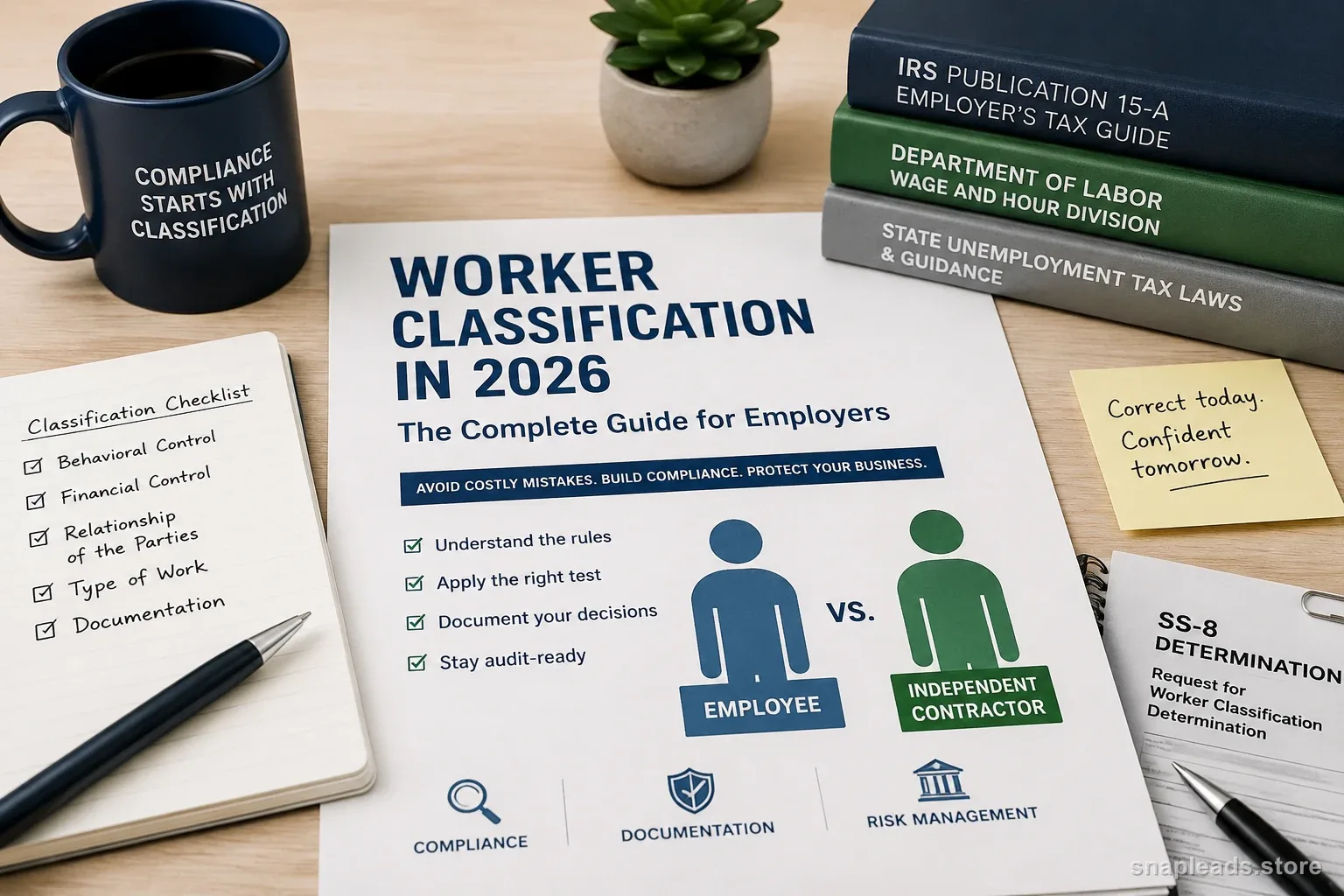 1099 or W-2? Start With the IRS Three-Category Classification FrameworkA practical way for a small business to organize federal employment-tax facts without turning the IRS common-law analysis into a points test.02
 Behavioral Control Red Flags in a 1099 Contractor RelationshipInstructions, training, scheduling and workflow rules can matter more than the label on the agreement.03
 Financial Control: What the IRS Looks For Beyond How You Pay a ContractorInvoices and project fees can be useful facts, but the deeper question is whether the worker is operating an independent business with genuine economic opportunity and risk.04
 Type of Relationship: Why a Contractor Agreement Is Only One Piece of the IRS TestPermanence, benefits, contracts, and whether the services sit at the heart of the business can change the classification picture.05
 Why an Independent Contractor Agreement Does Not Decide 1099 vs. W-2 StatusA contract is useful evidence, but federal and state agencies look at the real working relationship.06
 Part-Time Does Not Mean 1099: How to Classify a Worker With Limited HoursWeekly hours are not the federal employment-tax test. A five-hour-a-week worker can still be an employee, and a full-time engagement can still require a fact-specific review.07
 Remote Contractors: Does Working From Home Make Someone an Independent Contractor?Location is only one fact. Remote work can be closely controlled, while an outside business can sometimes work inside a client’s office.08
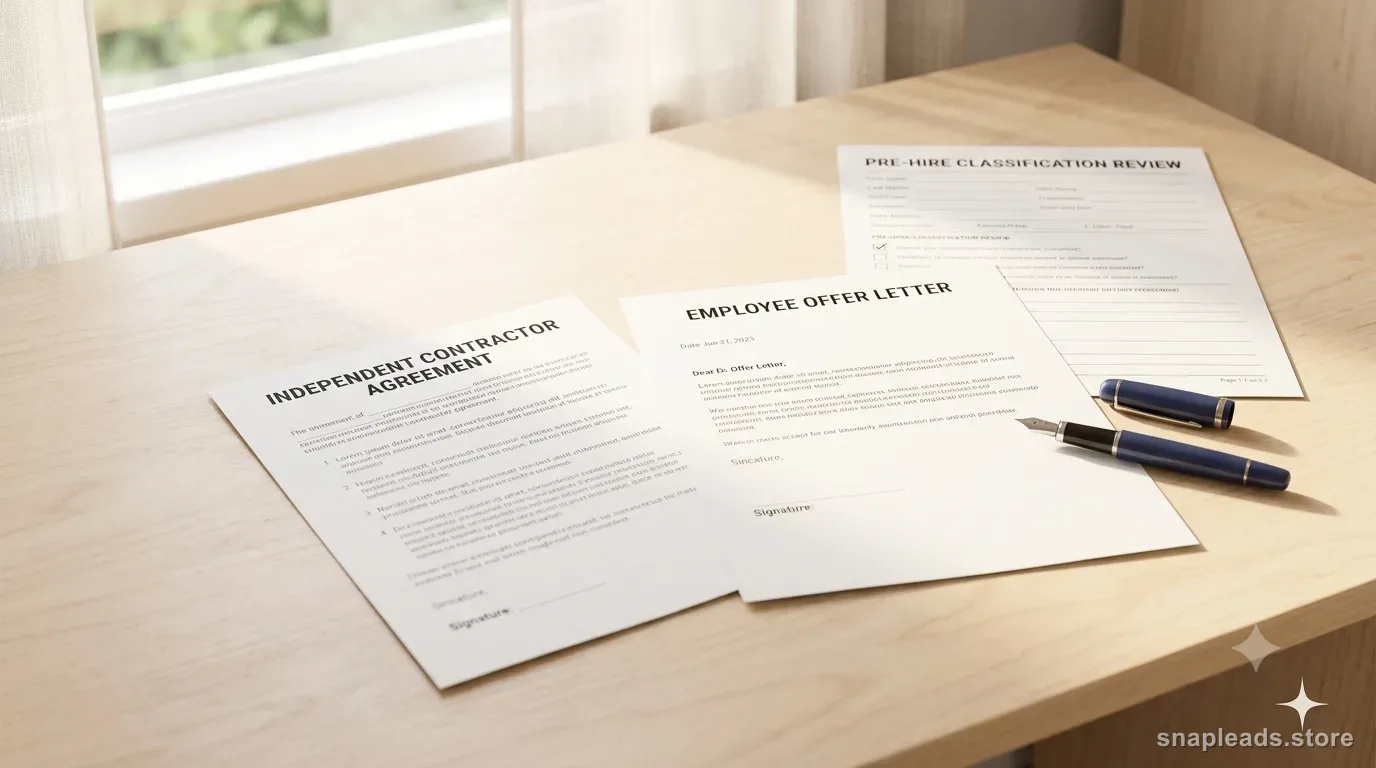 A Pre-Hire Worker Classification Review for Small BusinessesRun the classification analysis before the first invoice, while the company can still design the role around the relationship it genuinely needs.09
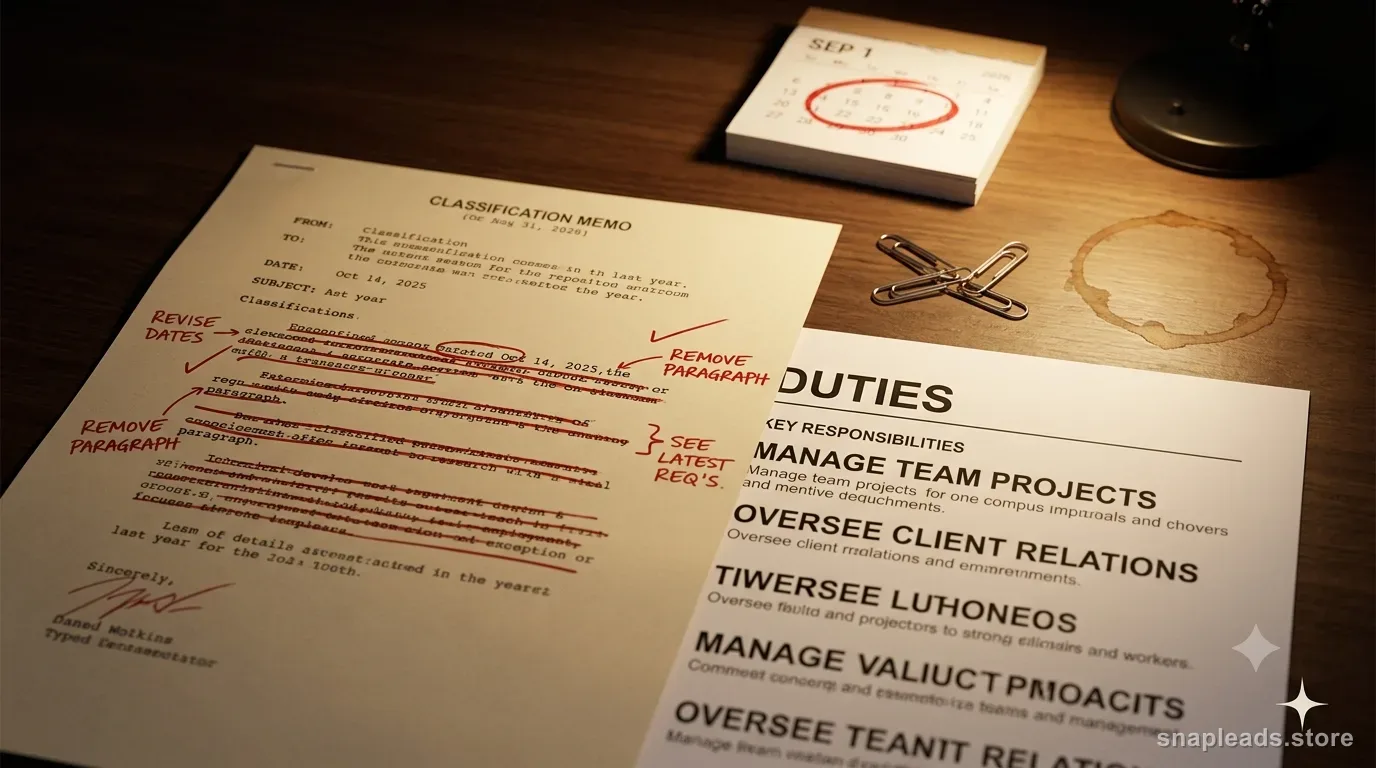 When to Recheck a 1099 Classification After the Role ChangesContractor relationships can drift. New hours, authority, tools, exclusivity or permanent duties can make an old classification memo stale.10
 Corporate Officers, Shareholder-Employees, and Directors: Who Is an Employee for Federal Employment Taxes?Federal employment-tax rules treat corporate officers who perform more than minor services and receive or are entitled to compensation differently from directors acting only as directors, and shareholder status does not erase an officer’s wage treatment.11
 Can You Be W-2 and 1099 for the Same Company?Dual status can exist for genuinely separate services, but splitting the same job between payroll and 1099 reporting creates a worker-classification problem.12
 Is a Bookkeeper 1099 or W-2?A bookkeeper can be an employee or contractor; the deciding facts are control, business independence, scope, pricing, and how the bookkeeping function actually operates.13
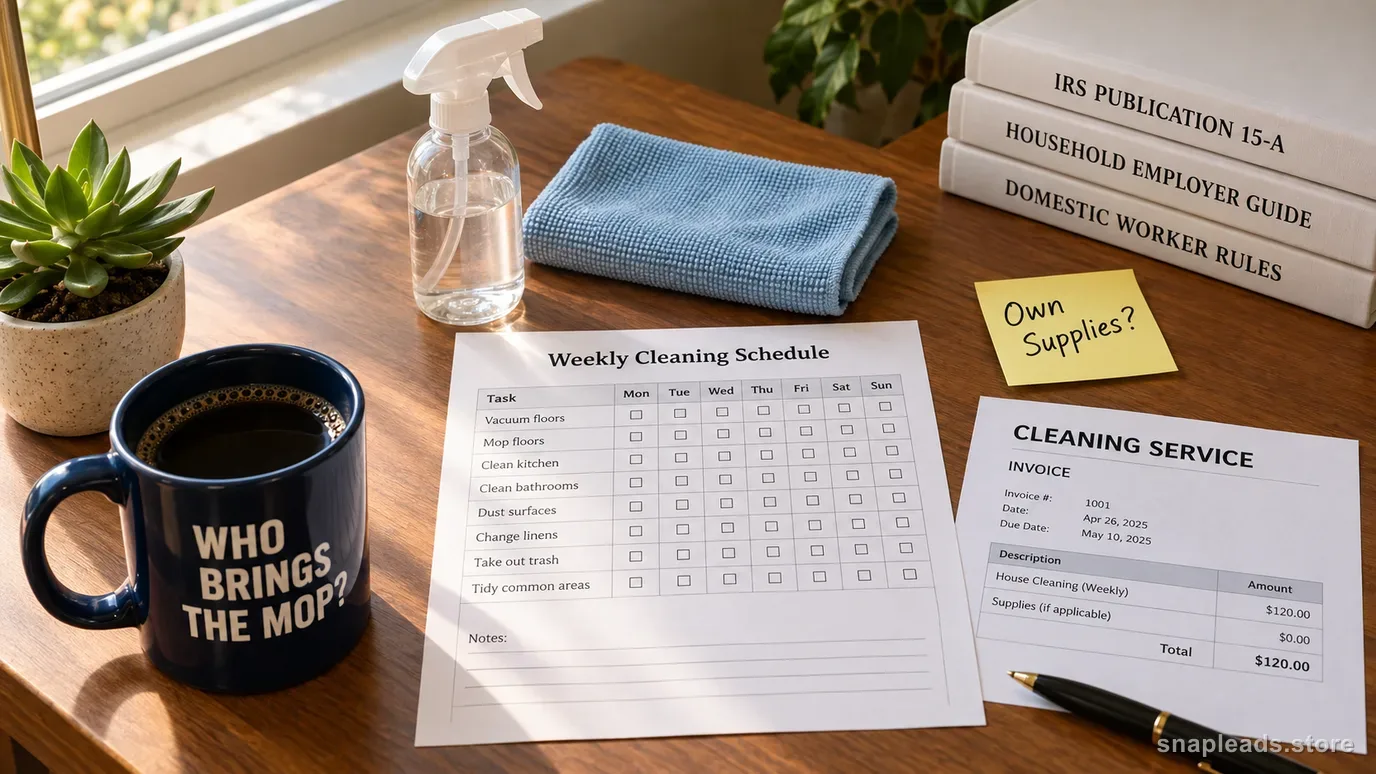 Should I Pay My House Cleaner as 1099 or W-2?A house cleaner may be a household employee or an independent cleaning business; control, business independence, and who actually hires the worker determine the path.14
 Are Delivery Drivers 1099 or W-2?Delivery-driver status depends on route control, pricing, vehicle economics, customer access, substitution, and the state rules that apply where services are performed.15
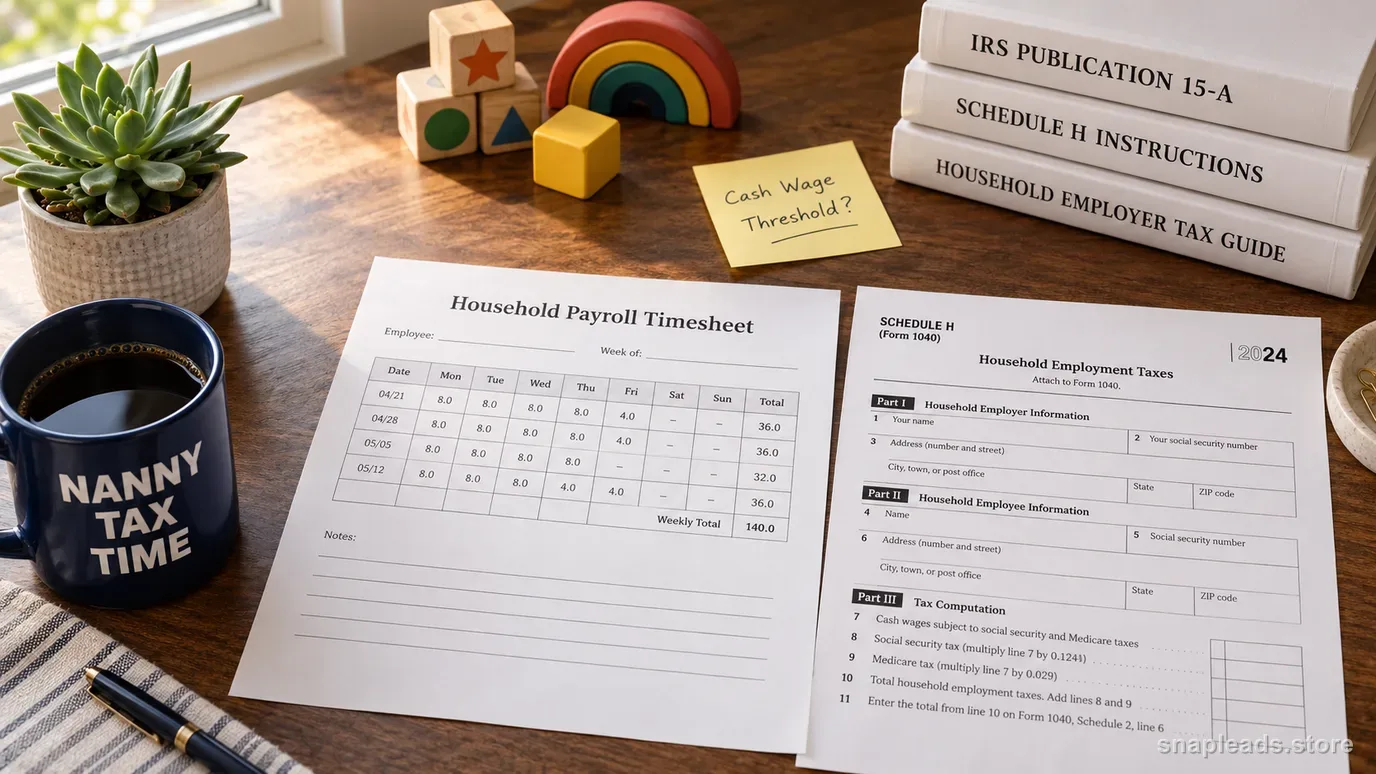 Do I Have to Put My Nanny on Payroll?Most directly hired nannies working under a family's direction are household employees; this guide covers the 2026 threshold, W-2, Schedule H, and payroll setup.16
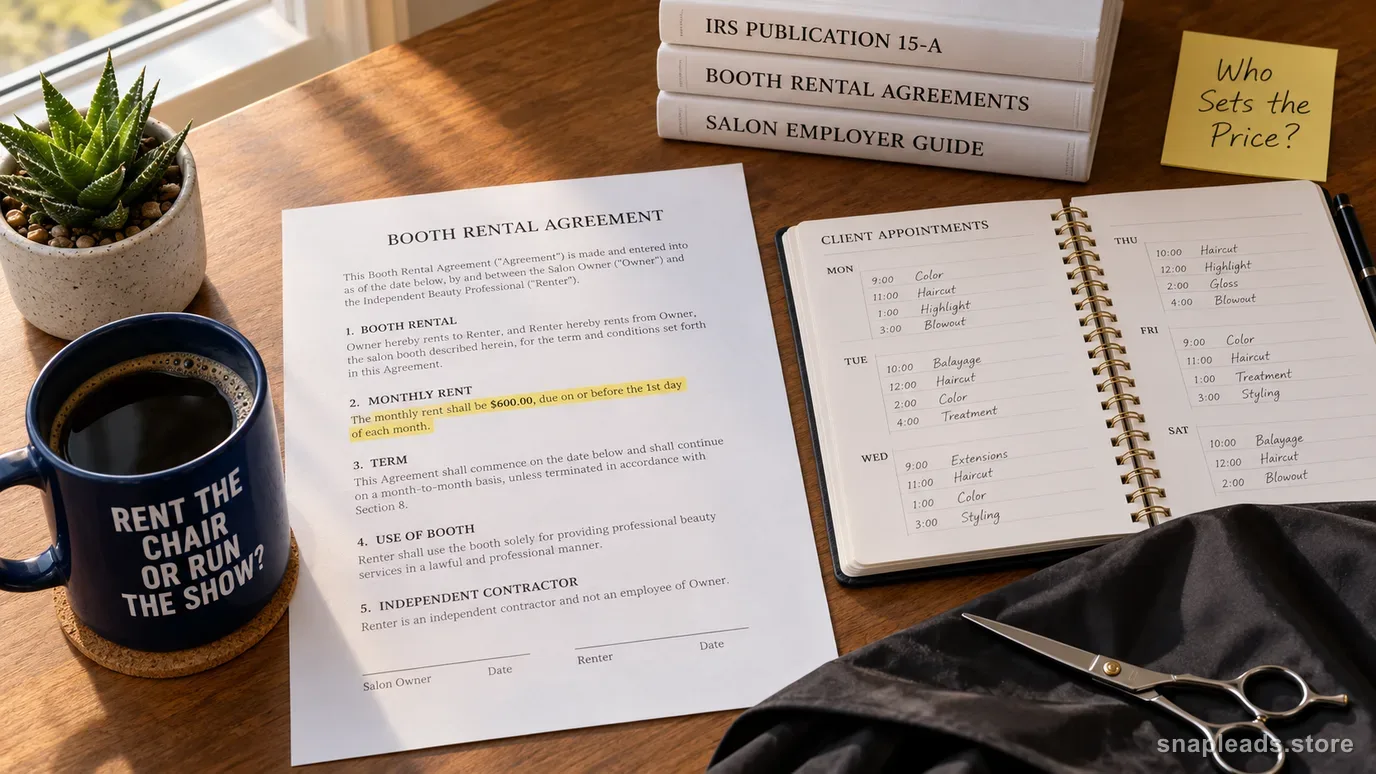 Salon Booth Renter vs. Employee StylistA real booth renter runs a separate beauty business; salon-set prices, schedules, products, training, and client controls can instead point toward employment.17
 Is a Personal Trainer at a Gym an Employee or Contractor?A gym trainer can be an employee or contractor; client ownership, pricing, schedule control, facility terms, financial risk, and actual gym operations drive the analysis.18
 How Should a Real Estate Brokerage Pay Its Agents?Section 3508 can treat qualified licensed real estate agents as statutory nonemployees, but brokerages must protect output-based pay and written-contract requirements.19
 Construction Subcontractor vs. Employee: 1099 or W-2?Construction classification takes more than a subcontract and license; federal tax rules and state construction statutes can impose separate fact-specific requirements.20
 Is a Remote Software Developer a Contractor or Employee?Remote location does not decide developer status; project scope, sprint control, pricing, business independence, team integration, and the worker's state all matter.21
 How Does a Nonprofit Classify Workers: 1099 or W-2?Tax-exempt status does not remove worker-classification duties; nonprofits still must distinguish employees, contractors, volunteers, and special statutory categories.22
 What Is a Common-Law Employee?A common-law employee is a worker whose service relationship gives the business the right to control what is done and how it is done under federal employment-tax rules.23
 Statutory Employee Examples: The Four IRS CategoriesFederal statutory employee treatment covers four narrow worker categories that also meet three service conditions; this guide gives examples and W-2 reporting cues.24
 Independent Contractor Agreement Clauses That Matter for TaxA contractor agreement cannot decide worker status, but scope, pricing, expenses, tools, duration, client freedom, and remedy clauses can preserve useful evidence.
1099 or W-2? Start With the IRS Three-Category Classification FrameworkA practical way for a small business to organize federal employment-tax facts without turning the IRS common-law analysis into a points test.02Behavioral Control Red Flags in a 1099 Contractor RelationshipInstructions, training, scheduling and workflow rules can matter more than the label on the agreement.03Financial Control: What the IRS Looks For Beyond How You Pay a ContractorInvoices and project fees can be useful facts, but the deeper question is whether the worker is operating an independent business with genuine economic opportunity and risk.04Type of Relationship: Why a Contractor Agreement Is Only One Piece of the IRS TestPermanence, benefits, contracts, and whether the services sit at the heart of the business can change the classification picture.05Why an Independent Contractor Agreement Does Not Decide 1099 vs. W-2 StatusA contract is useful evidence, but federal and state agencies look at the real working relationship.06Part-Time Does Not Mean 1099: How to Classify a Worker With Limited HoursWeekly hours are not the federal employment-tax test. A five-hour-a-week worker can still be an employee, and a full-time engagement can still require a fact-specific review.07Remote Contractors: Does Working From Home Make Someone an Independent Contractor?Location is only one fact. Remote work can be closely controlled, while an outside business can sometimes work inside a client’s office.08A Pre-Hire Worker Classification Review for Small BusinessesRun the classification analysis before the first invoice, while the company can still design the role around the relationship it genuinely needs.09When to Recheck a 1099 Classification After the Role ChangesContractor relationships can drift. New hours, authority, tools, exclusivity or permanent duties can make an old classification memo stale.10Corporate Officers, Shareholder-Employees, and Directors: Who Is an Employee for Federal Employment Taxes?Federal employment-tax rules treat corporate officers who perform more than minor services and receive or are entitled to compensation differently from directors acting only as directors, and shareholder status does not erase an officer’s wage treatment.11Can You Be W-2 and 1099 for the Same Company?Dual status can exist for genuinely separate services, but splitting the same job between payroll and 1099 reporting creates a worker-classification problem.12Is a Bookkeeper 1099 or W-2?A bookkeeper can be an employee or contractor; the deciding facts are control, business independence, scope, pricing, and how the bookkeeping function actually operates.13Should I Pay My House Cleaner as 1099 or W-2?A house cleaner may be a household employee or an independent cleaning business; control, business independence, and who actually hires the worker determine the path.14Are Delivery Drivers 1099 or W-2?Delivery-driver status depends on route control, pricing, vehicle economics, customer access, substitution, and the state rules that apply where services are performed.15Do I Have to Put My Nanny on Payroll?Most directly hired nannies working under a family's direction are household employees; this guide covers the 2026 threshold, W-2, Schedule H, and payroll setup.16Salon Booth Renter vs. Employee StylistA real booth renter runs a separate beauty business; salon-set prices, schedules, products, training, and client controls can instead point toward employment.17Is a Personal Trainer at a Gym an Employee or Contractor?A gym trainer can be an employee or contractor; client ownership, pricing, schedule control, facility terms, financial risk, and actual gym operations drive the analysis.18How Should a Real Estate Brokerage Pay Its Agents?Section 3508 can treat qualified licensed real estate agents as statutory nonemployees, but brokerages must protect output-based pay and written-contract requirements.19Construction Subcontractor vs. Employee: 1099 or W-2?Construction classification takes more than a subcontract and license; federal tax rules and state construction statutes can impose separate fact-specific requirements.20Is a Remote Software Developer a Contractor or Employee?Remote location does not decide developer status; project scope, sprint control, pricing, business independence, team integration, and the worker's state all matter.21How Does a Nonprofit Classify Workers: 1099 or W-2?Tax-exempt status does not remove worker-classification duties; nonprofits still must distinguish employees, contractors, volunteers, and special statutory categories.22What Is a Common-Law Employee?A common-law employee is a worker whose service relationship gives the business the right to control what is done and how it is done under federal employment-tax rules.23Statutory Employee Examples: The Four IRS CategoriesFederal statutory employee treatment covers four narrow worker categories that also meet three service conditions; this guide gives examples and W-2 reporting cues.24Independent Contractor Agreement Clauses That Matter for TaxA contractor agreement cannot decide worker status, but scope, pricing, expenses, tools, duration, client freedom, and remedy clauses can preserve useful evidence.02
02 / IRS PROCESS
Form SS-8
Decide when an IRS worker-status determination is useful, prepare a clean filing, and manage the months after submission.
01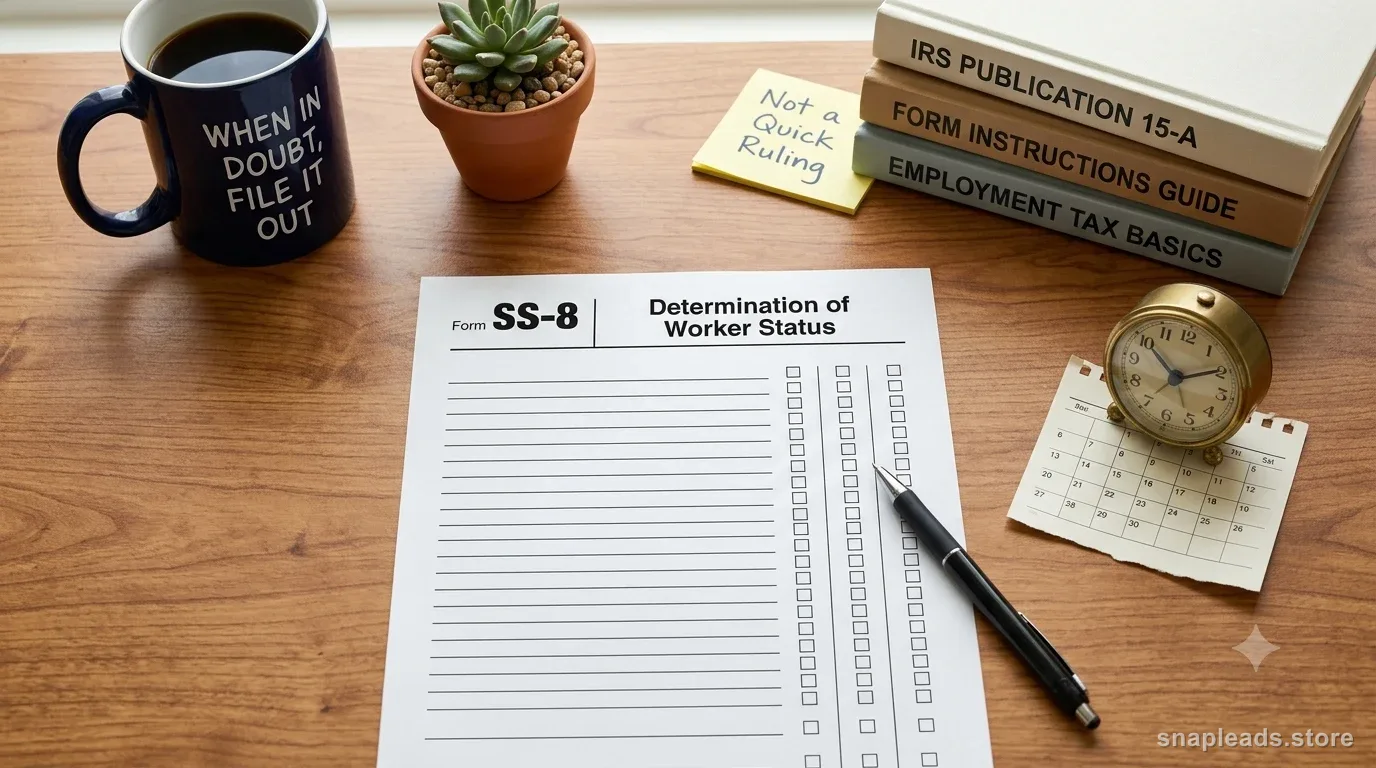 When Should a Small Business File Form SS-8?Form SS-8 asks the IRS to determine a worker’s status for federal employment-tax and income-tax withholding purposes. It is useful in some uncertain relationships, but it is not a quick ruling service.02
 How an Employer Should Prepare Form SS-8 Without Turning It Into an Advocacy BriefThe form works best when the business answers factual questions consistently, attaches representative records, and distinguishes what the contract says from what actually happens.03
 What Documents Should You Attach to Form SS-8?The goal is not maximum volume. Attach records that show how the relationship actually works and make each item easy for an IRS reviewer to connect to an answer.04
 What Happens After You File Form SS-8?Expect an information-gathering process rather than an instant decision. Keep the relationship record current while the IRS review is pending.05
 How Long Does an SS-8 Worker-Status Determination Take?The IRS says a determination can take at least six months. Treat that as a planning floor, not a service-level guarantee.06
 Can Both the Employer and the Worker File Form SS-8?Either party may seek a federal worker-status determination. Duplicating submissions is not usually a substitute for a coordinated factual record.07
 You Received an SS-8 Determination Letter. What Should the Business Do Next?The classification conclusion is the start of an implementation project. Read the factual scope, then route tax, payroll, operations and state-law questions to the right owners.08
 Form SS-8 vs. an Internal Worker-Classification Review: Which One Does What?An internal review helps the business decide and document; SS-8 asks the IRS to make a federal employment-tax determination. They are related tools, not substitutes.09
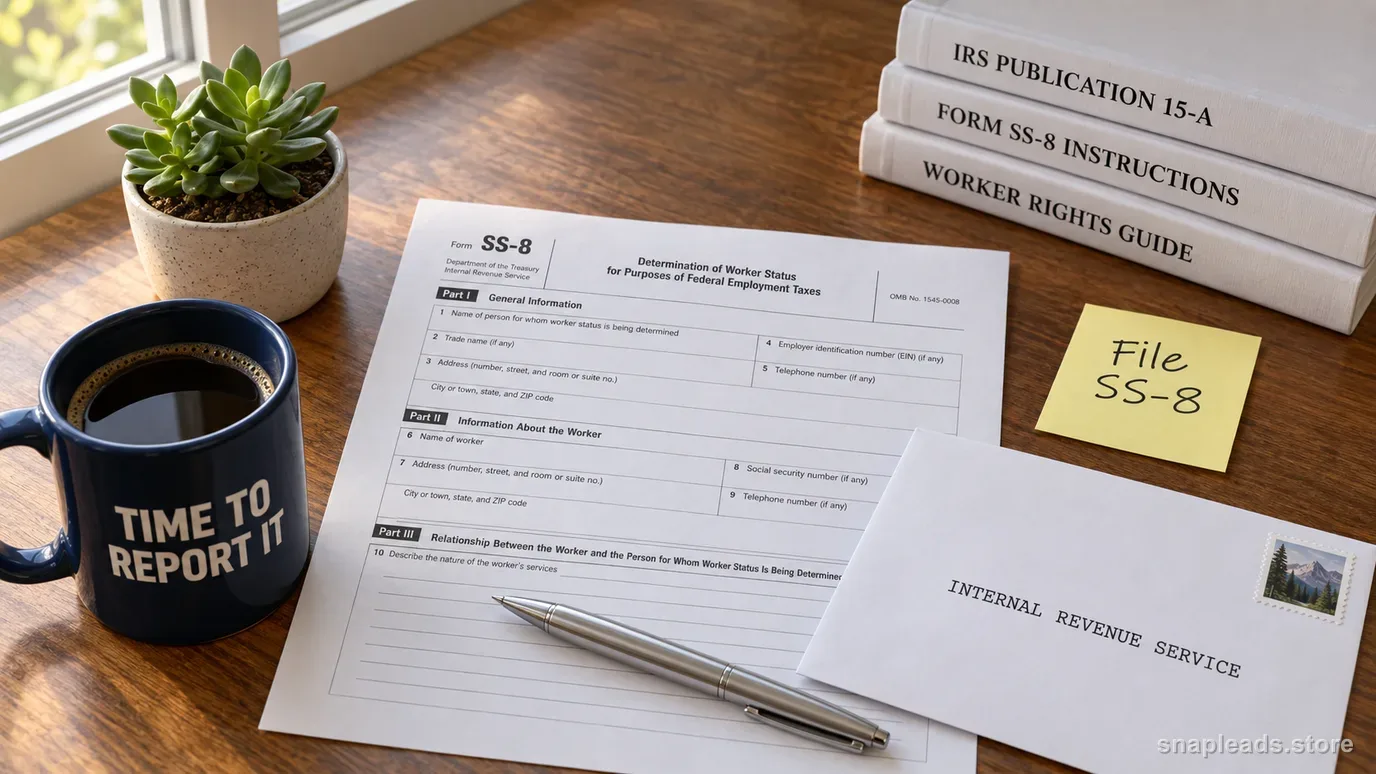 Misclassified as 1099? How to Report It to the IRSWorkers who believe they were misclassified can use Form SS-8 for a status determination and, in qualifying cases, Form 8919 to report employee FICA tax.10
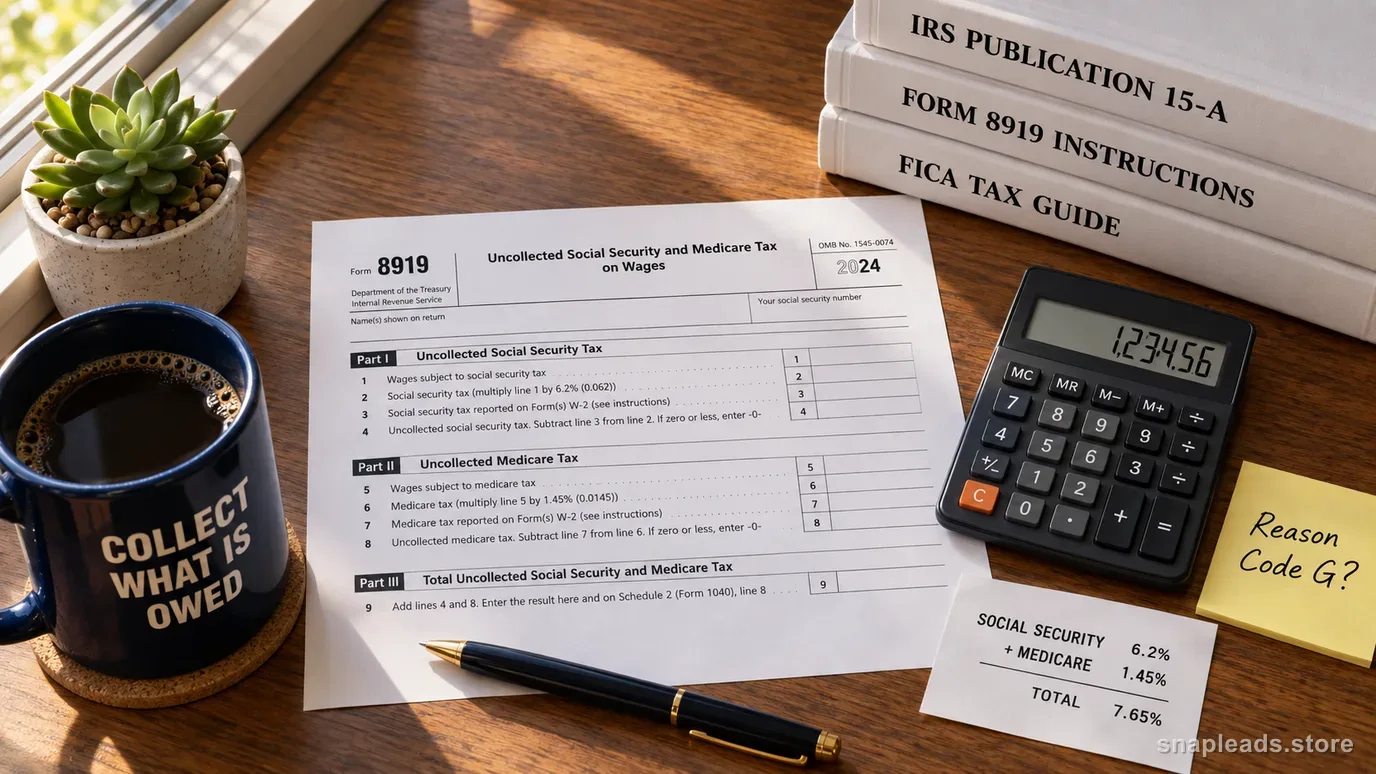 Form 8919: Uncollected Social Security and Medicare TaxForm 8919 reports a worker's share of uncollected Social Security and Medicare tax on wages when specific IRS filing conditions and reason codes apply.11
 Form SS-8 vs. Form 8919: What Is the Difference?Form SS-8 asks the IRS to determine federal worker status; Form 8919 reports a worker's uncollected Social Security and Medicare tax when a listed reason code applies.
When Should a Small Business File Form SS-8?Form SS-8 asks the IRS to determine a worker’s status for federal employment-tax and income-tax withholding purposes. It is useful in some uncertain relationships, but it is not a quick ruling service.02How an Employer Should Prepare Form SS-8 Without Turning It Into an Advocacy BriefThe form works best when the business answers factual questions consistently, attaches representative records, and distinguishes what the contract says from what actually happens.03What Documents Should You Attach to Form SS-8?The goal is not maximum volume. Attach records that show how the relationship actually works and make each item easy for an IRS reviewer to connect to an answer.04What Happens After You File Form SS-8?Expect an information-gathering process rather than an instant decision. Keep the relationship record current while the IRS review is pending.05How Long Does an SS-8 Worker-Status Determination Take?The IRS says a determination can take at least six months. Treat that as a planning floor, not a service-level guarantee.06Can Both the Employer and the Worker File Form SS-8?Either party may seek a federal worker-status determination. Duplicating submissions is not usually a substitute for a coordinated factual record.07You Received an SS-8 Determination Letter. What Should the Business Do Next?The classification conclusion is the start of an implementation project. Read the factual scope, then route tax, payroll, operations and state-law questions to the right owners.08Form SS-8 vs. an Internal Worker-Classification Review: Which One Does What?An internal review helps the business decide and document; SS-8 asks the IRS to make a federal employment-tax determination. They are related tools, not substitutes.09Misclassified as 1099? How to Report It to the IRSWorkers who believe they were misclassified can use Form SS-8 for a status determination and, in qualifying cases, Form 8919 to report employee FICA tax.10Form 8919: Uncollected Social Security and Medicare TaxForm 8919 reports a worker's share of uncollected Social Security and Medicare tax on wages when specific IRS filing conditions and reason codes apply.11Form SS-8 vs. Form 8919: What Is the Difference?Form SS-8 asks the IRS to determine federal worker status; Form 8919 reports a worker's uncollected Social Security and Medicare tax when a listed reason code applies.03
03 / RELIEF & CORRECTIONS
Federal relief & corrections
Separate Section 530 relief, VCSP, Form 8952, employment-tax examinations, appeals, and Section 3509 calculations from the underlying status test.
01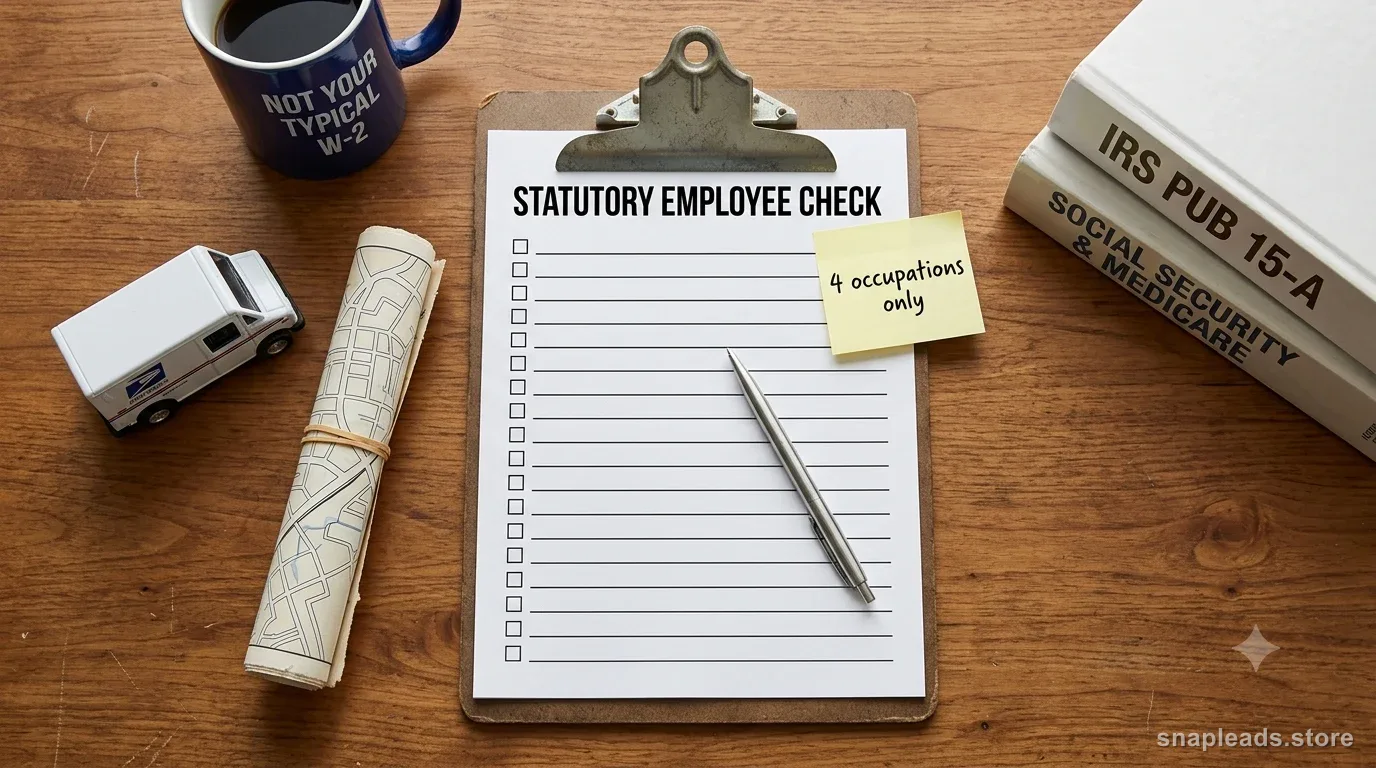 Statutory Employee vs. Independent Contractor: The Federal Category Small Businesses Often MissA worker can fail the common-law employee test and still be treated as a statutory employee for Social Security and Medicare tax purposes. This guide shows when that narrow category matters and what the payroll record should contain.02
 Statutory Nonemployees: When Federal Law Treats Certain Sellers, Real Estate Agents, and Companion Sitters as Self-EmployedDirect sellers, licensed real estate agents, and certain companion sitters have a special federal rule. The useful question is not whether they “look like contractors,” but whether the statutory conditions actually fit.03
 Section 530 Relief in a Worker-Classification Audit: What It Protects—and What It Does NotSection 530 can eliminate federal employment-tax liability for certain worker-classification periods even when the worker would otherwise be an employee. It is relief from liability, not a declaration that the worker was an independent contractor.04
 Section 530 Consistency Tests: How One Missing 1099 or One Similar W-2 Role Can Change the Relief AnalysisReporting consistency and substantive consistency are separate gates to Section 530 relief. This guide shows how to reconstruct both tests from payroll, accounts payable, and role history before an IRS employment-tax examination gets deep into worker classification.05
 Section 530 Reasonable Basis: Proving What the Business Actually Relied OnA good contractor argument is not automatically a Section 530 reasonable-basis case. The relief inquiry asks what basis the business relied on when it chose nonemployee treatment and whether that reliance was reasonable.06
 VCSP Eligibility and Timing: When Voluntary Worker Reclassification Is Still AvailableThe IRS Voluntary Classification Settlement Program is for eligible taxpayers that want to begin treating a class of workers as employees prospectively. Audit status, prior examinations, filing history, and the requested start date all matter before Form 8952 is mailed.07
 How to Prepare Form 8952 for VCSP: Build the Worker Roster, Class Description, Start Date, and Payment WorkpaperForm 8952 is short, but a defensible VCSP application depends on work done outside the form. The key files are a clean class definition, names and SSNs, a prospective start date, and a reproducible Section 3509(a) payment calculation.08
 IRS Employment-Tax Exam for Worker Classification: What Happens From Opening Letter to Examination ResultsPublication 5146 lays out a distinct employment-tax examination process. For a worker-classification issue, the useful response is to control deadlines, preserve the information-reporting trail, prepare management for interviews, and keep Section 530 and settlement options visible.09
 Appealing an IRS Worker-Classification Adjustment: From the 30-Day Letter to an IRC 7436 DeterminationWorker-classification employment-tax cases use special procedures. A 30-day letter can open the administrative Appeals path, and unresolved classification or Section 530 issues can later lead to a Notice of Employment Tax Determination under IRC Section 7436.10
 IRC Section 3509 After Worker Reclassification: Reduced Rates, Information-Return History, and the Limits of the RuleSection 3509 can provide special federal rates for certain employment-tax liabilities when workers are reclassified as employees. The rate changes depending on information-return filing history, and the rule has important exclusions.11
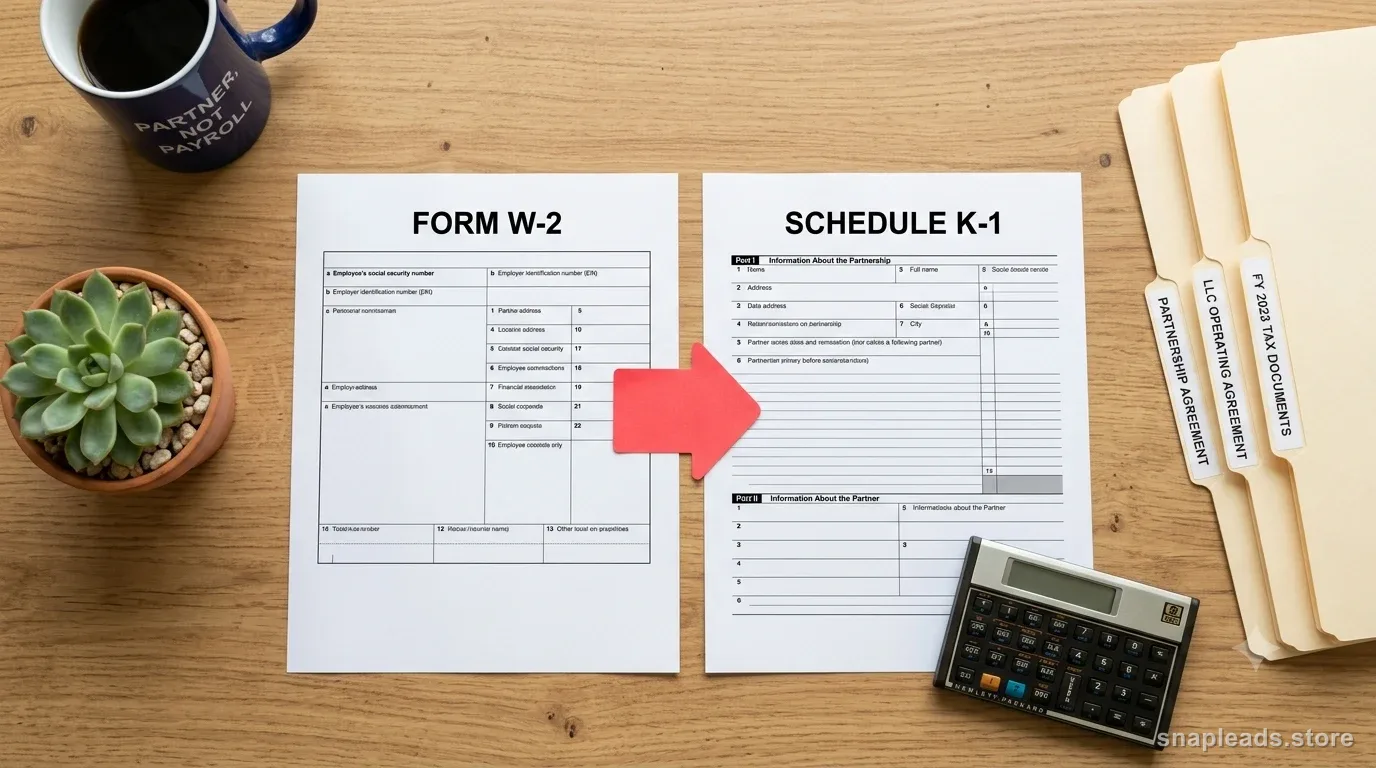 Can a Partner or Partnership-Taxed LLC Member Be Put on W-2 Payroll? The Federal Employment-Tax Rule Is DifferentFor federal employment-tax purposes, bona fide partners—including members of an LLC treated as a partnership—are generally self-employed when performing services for the partnership, not employees of that partnership.12
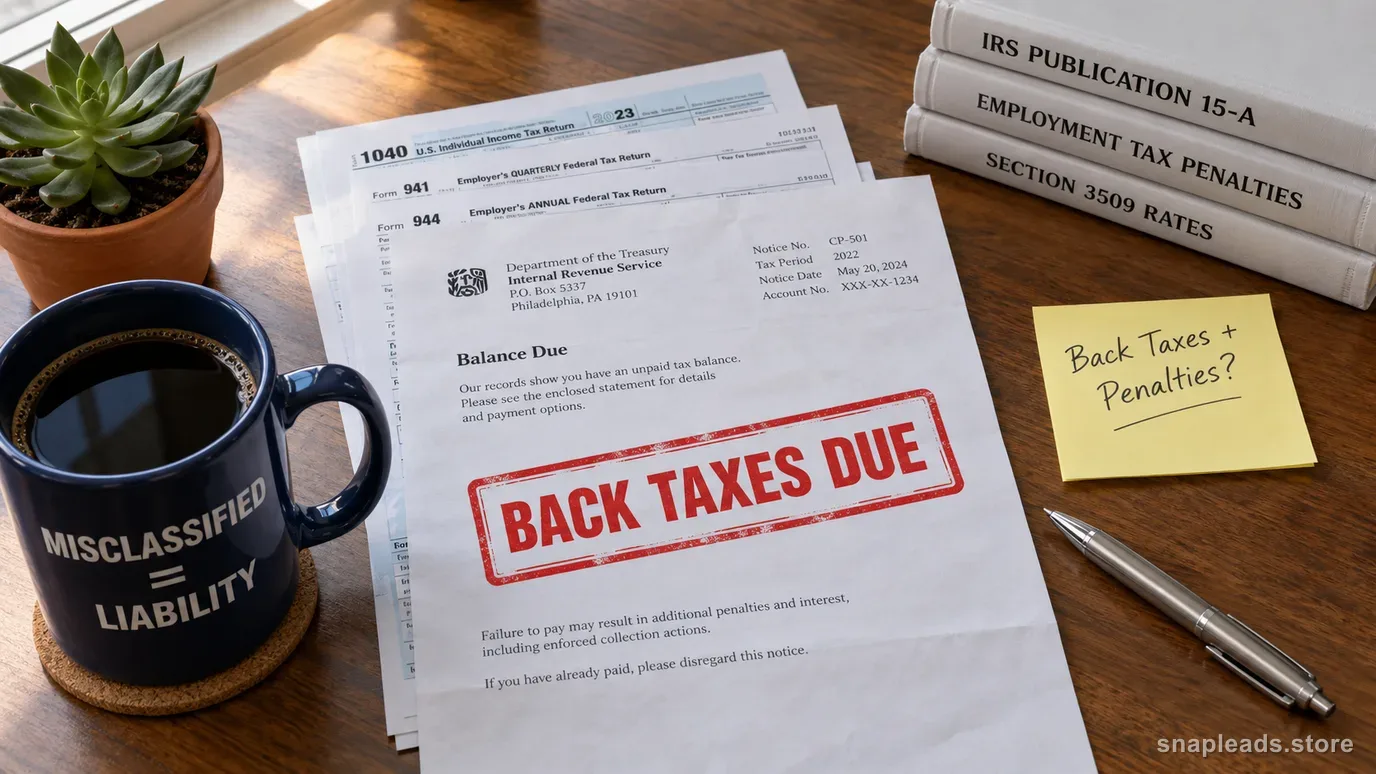 What Happens If You Misclassify an Employee as 1099?Misclassification can create federal employment-tax, wage-and-hour, and state unemployment exposure; this guide maps the consequences and first repair steps.13
 How Far Back Can the IRS Audit Worker Misclassification?The normal federal assessment period is often three years, but filing history and exceptions matter; this guide shows how to build the actual lookback calendar.14
 Section 530 Safe Harbor Requirements: A ChecklistSection 530 requires reporting consistency, substantive consistency, and reasonable basis; this checklist screens each gate without confusing relief with worker status.15
 Revenue Ruling 87-41: The 20-Factor Test ExplainedRevenue Ruling 87-41 lists 20 common-law control factors, but they are guides, not a point score; modern IRS materials organize similar evidence into three groups.16
 Does Using a PEO Fix Worker Misclassification?A PEO can administer payroll, while a CPEO can assume specified federal employment-tax duties; neither makes an incorrectly classified contractor a valid contractor.17
 VCSP vs. Reclassifying Workers Going ForwardVCSP adds a closing agreement, eligibility screen, and limited federal payment for past treatment; a simple prospective payroll change has no VCSP settlement protection.
Statutory Employee vs. Independent Contractor: The Federal Category Small Businesses Often MissA worker can fail the common-law employee test and still be treated as a statutory employee for Social Security and Medicare tax purposes. This guide shows when that narrow category matters and what the payroll record should contain.02Statutory Nonemployees: When Federal Law Treats Certain Sellers, Real Estate Agents, and Companion Sitters as Self-EmployedDirect sellers, licensed real estate agents, and certain companion sitters have a special federal rule. The useful question is not whether they “look like contractors,” but whether the statutory conditions actually fit.03Section 530 Relief in a Worker-Classification Audit: What It Protects—and What It Does NotSection 530 can eliminate federal employment-tax liability for certain worker-classification periods even when the worker would otherwise be an employee. It is relief from liability, not a declaration that the worker was an independent contractor.04Section 530 Consistency Tests: How One Missing 1099 or One Similar W-2 Role Can Change the Relief AnalysisReporting consistency and substantive consistency are separate gates to Section 530 relief. This guide shows how to reconstruct both tests from payroll, accounts payable, and role history before an IRS employment-tax examination gets deep into worker classification.05Section 530 Reasonable Basis: Proving What the Business Actually Relied OnA good contractor argument is not automatically a Section 530 reasonable-basis case. The relief inquiry asks what basis the business relied on when it chose nonemployee treatment and whether that reliance was reasonable.06VCSP Eligibility and Timing: When Voluntary Worker Reclassification Is Still AvailableThe IRS Voluntary Classification Settlement Program is for eligible taxpayers that want to begin treating a class of workers as employees prospectively. Audit status, prior examinations, filing history, and the requested start date all matter before Form 8952 is mailed.07How to Prepare Form 8952 for VCSP: Build the Worker Roster, Class Description, Start Date, and Payment WorkpaperForm 8952 is short, but a defensible VCSP application depends on work done outside the form. The key files are a clean class definition, names and SSNs, a prospective start date, and a reproducible Section 3509(a) payment calculation.08IRS Employment-Tax Exam for Worker Classification: What Happens From Opening Letter to Examination ResultsPublication 5146 lays out a distinct employment-tax examination process. For a worker-classification issue, the useful response is to control deadlines, preserve the information-reporting trail, prepare management for interviews, and keep Section 530 and settlement options visible.09Appealing an IRS Worker-Classification Adjustment: From the 30-Day Letter to an IRC 7436 DeterminationWorker-classification employment-tax cases use special procedures. A 30-day letter can open the administrative Appeals path, and unresolved classification or Section 530 issues can later lead to a Notice of Employment Tax Determination under IRC Section 7436.10IRC Section 3509 After Worker Reclassification: Reduced Rates, Information-Return History, and the Limits of the RuleSection 3509 can provide special federal rates for certain employment-tax liabilities when workers are reclassified as employees. The rate changes depending on information-return filing history, and the rule has important exclusions.11Can a Partner or Partnership-Taxed LLC Member Be Put on W-2 Payroll? The Federal Employment-Tax Rule Is DifferentFor federal employment-tax purposes, bona fide partners—including members of an LLC treated as a partnership—are generally self-employed when performing services for the partnership, not employees of that partnership.12What Happens If You Misclassify an Employee as 1099?Misclassification can create federal employment-tax, wage-and-hour, and state unemployment exposure; this guide maps the consequences and first repair steps.13How Far Back Can the IRS Audit Worker Misclassification?The normal federal assessment period is often three years, but filing history and exceptions matter; this guide shows how to build the actual lookback calendar.14Section 530 Safe Harbor Requirements: A ChecklistSection 530 requires reporting consistency, substantive consistency, and reasonable basis; this checklist screens each gate without confusing relief with worker status.15Revenue Ruling 87-41: The 20-Factor Test ExplainedRevenue Ruling 87-41 lists 20 common-law control factors, but they are guides, not a point score; modern IRS materials organize similar evidence into three groups.16Does Using a PEO Fix Worker Misclassification?A PEO can administer payroll, while a CPEO can assume specified federal employment-tax duties; neither makes an incorrectly classified contractor a valid contractor.17VCSP vs. Reclassifying Workers Going ForwardVCSP adds a closing agreement, eligibility screen, and limited federal payment for past treatment; a simple prospective payroll change has no VCSP settlement protection.04
04 / STATE AUDIT FILE
State unemployment audits
Organize state-specific tests, notices, records, questionnaires, and remediation without substituting a federal test for state unemployment law.
01 What Can Trigger a State Unemployment Tax Worker-Classification Audit?A notice from a state unemployment agency often begins with a worker, a wage record, or an employer filing—not with a dramatic allegation of fraud.02
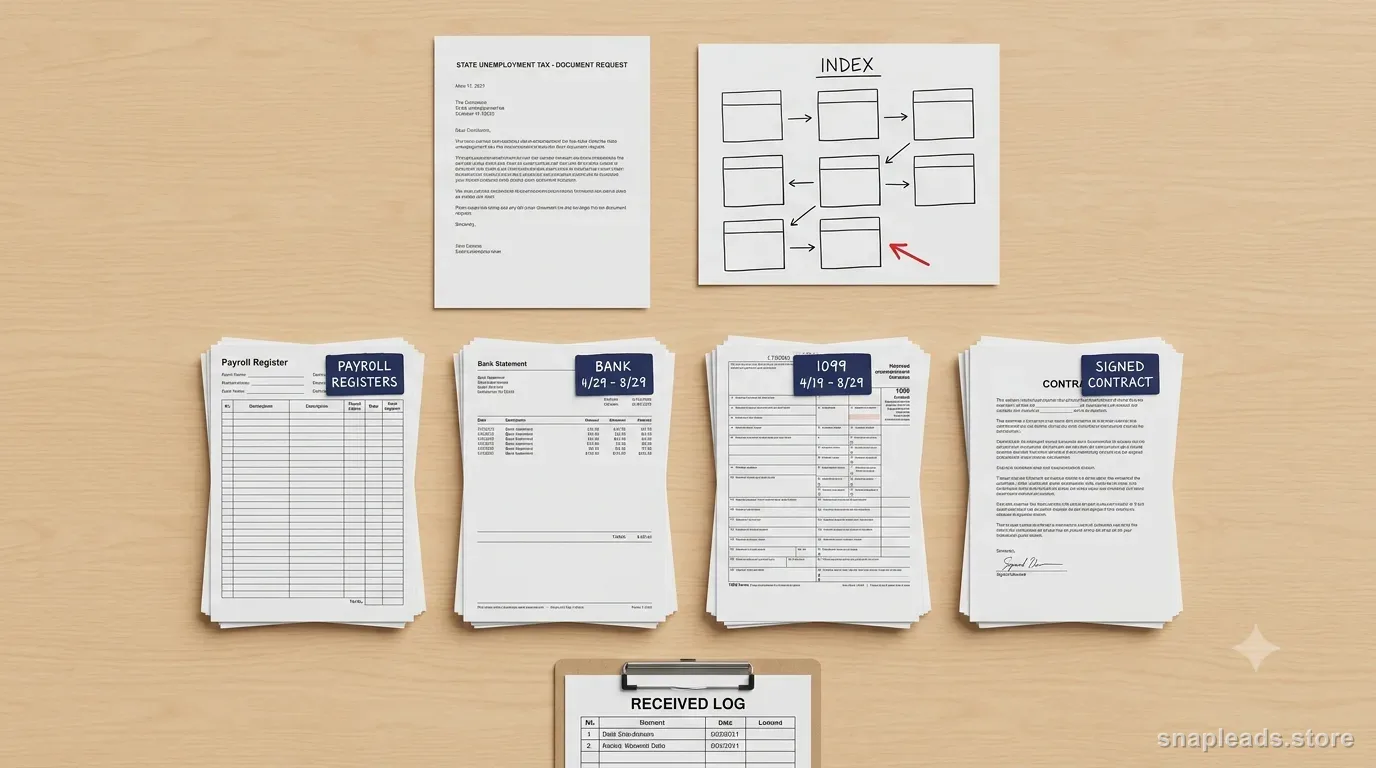 How to Organize a State Unemployment Audit Document RequestAn audit request can look like a miscellaneous pile of payroll, bank, 1099, contract, and worker records. A document map turns it into a controlled response.03
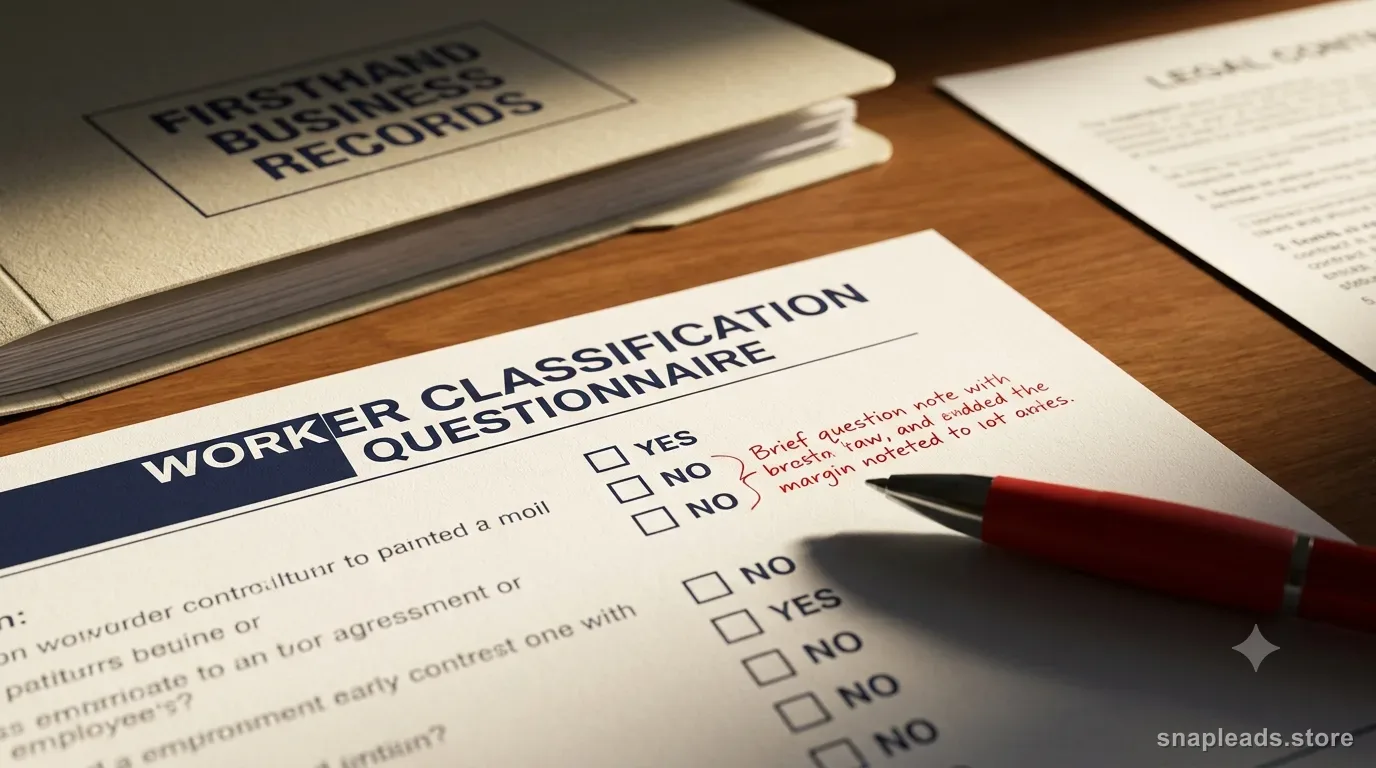 How to Answer a Worker-Classification Questionnaire Without GuessingState questionnaires often ask short yes-or-no questions about control, tools, schedules, customers, and termination. The underlying facts are rarely that short.04
 Preparing 1099 and Accounts-Payable Records for an Unemployment AuditInformation returns are only the top layer of the record. The audit file should connect each 1099 payee to the services, payment history, and actual working relationship behind the form.05
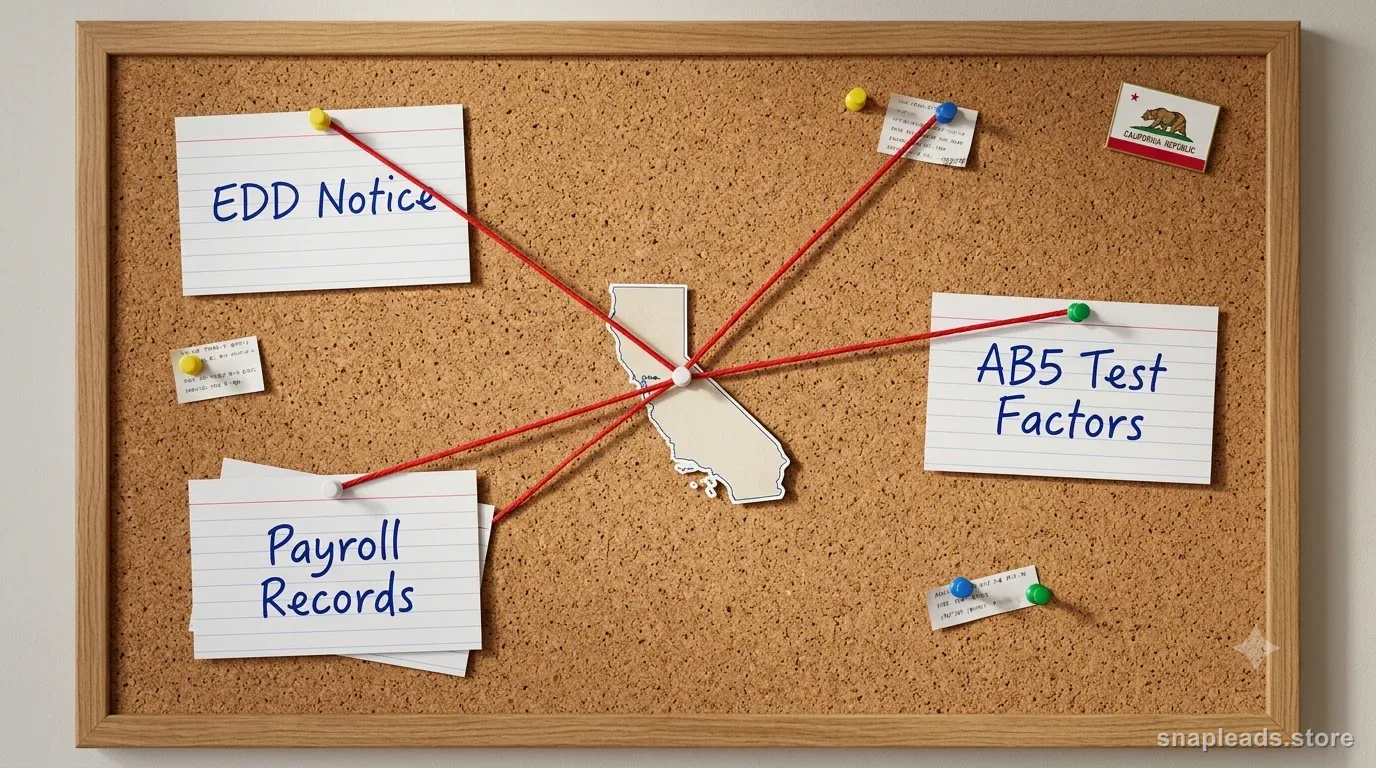 California EDD Worker-Classification Audit: Build the File Around California LawCalifornia unemployment and payroll-tax questions cannot be answered by pasting an IRS common-law memo into the response.06
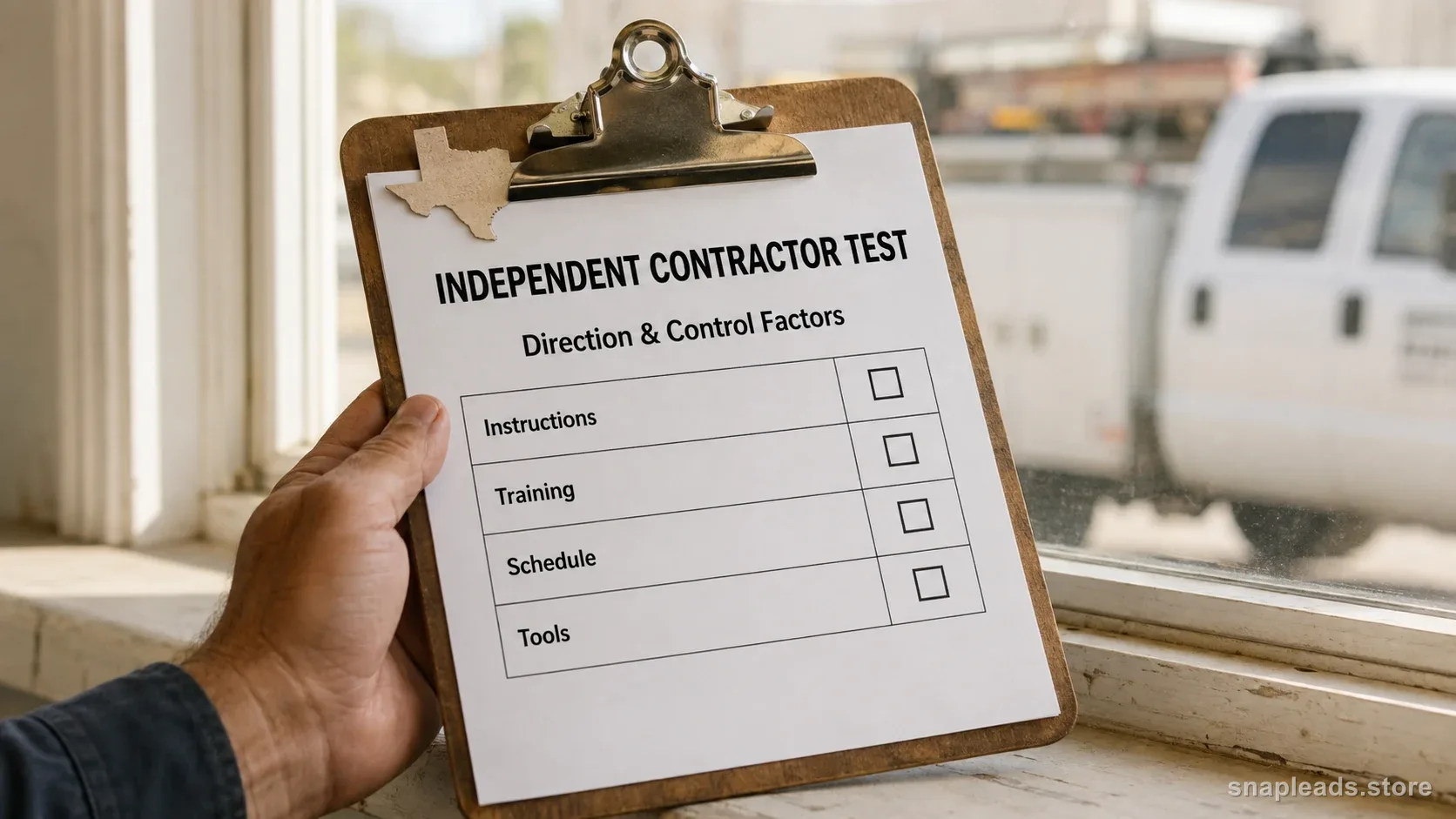 Texas Workforce Commission Contractor Test: Review the Actual Direction and ControlTexas unemployment-tax classification uses a state framework with published factors. It deserves its own worksheet instead of a federal 1099 checklist.07
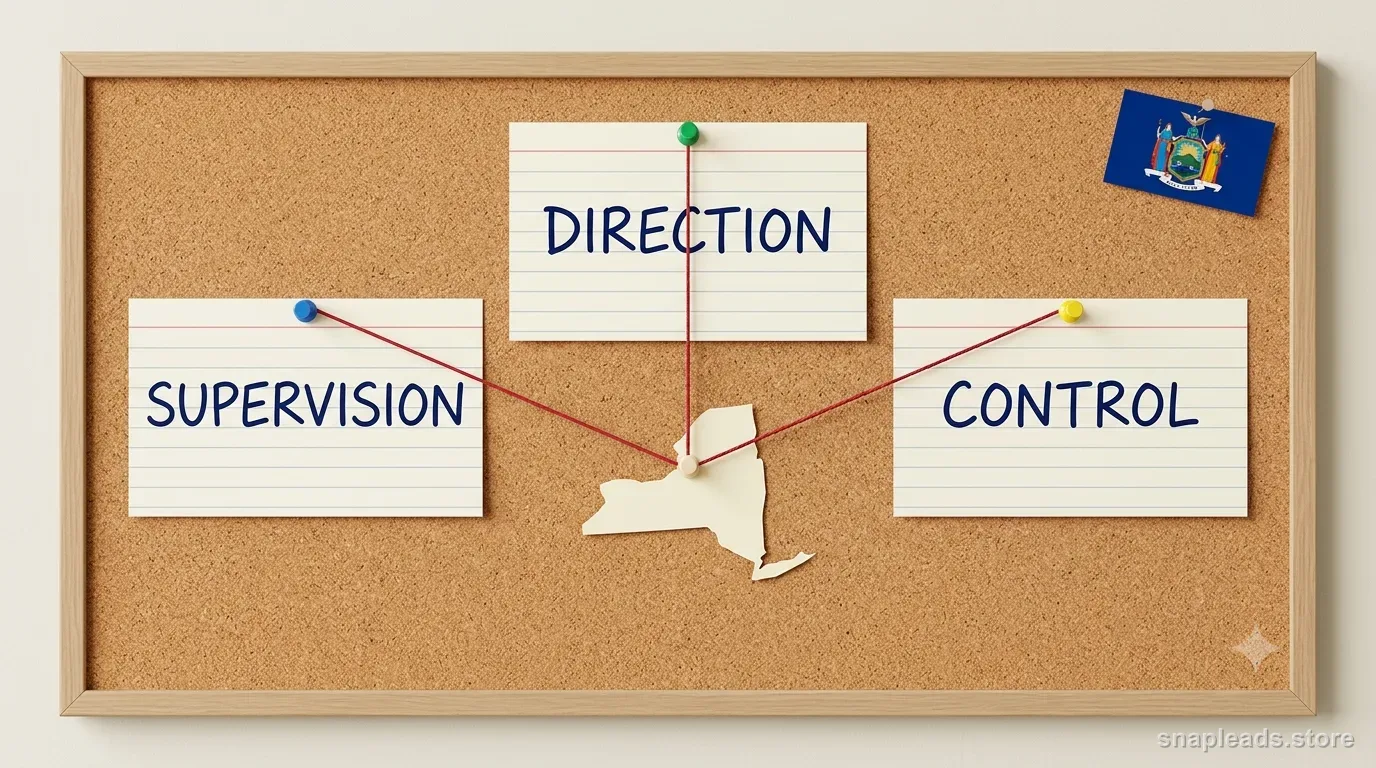 New York Unemployment Insurance Worker Classification: Focus on Supervision, Direction, and ControlNew York publishes worker-status guidance for unemployment insurance that looks closely at how services are supervised, directed, and controlled.08
 What to Do After a State Unemployment Audit Reclassifies ContractorsA state determination is not the end of the project. It creates a record, a deadline, and a set of operational questions that must be separated and managed.09
 New Jersey ABC Test in 2026: What Employers Should Document Before the October 1 Regulations Become OperativeNew Jersey adopted regulations clarifying its ABC test in May 2026, but the rules are not operative until October 1, 2026. This guide separates the current test from the upcoming regulatory framework and turns each prong into an evidence file.10
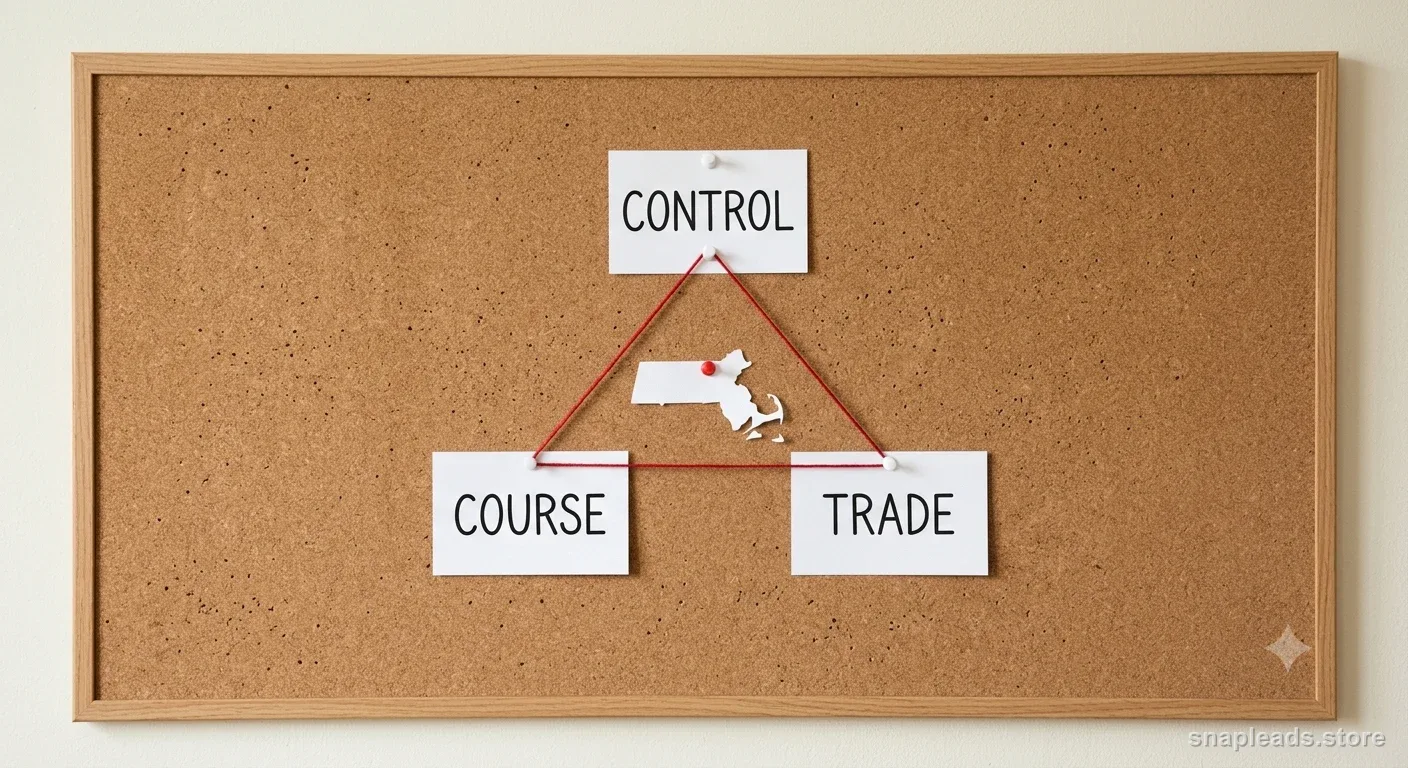 Massachusetts Independent Contractor Test: Why “Outside the Usual Course” Deserves Its Own FileMassachusetts uses a strict three-part framework in key worker-classification contexts. This guide focuses on the prong employers most often describe too vaguely: whether the service is outside the usual course of the business.11
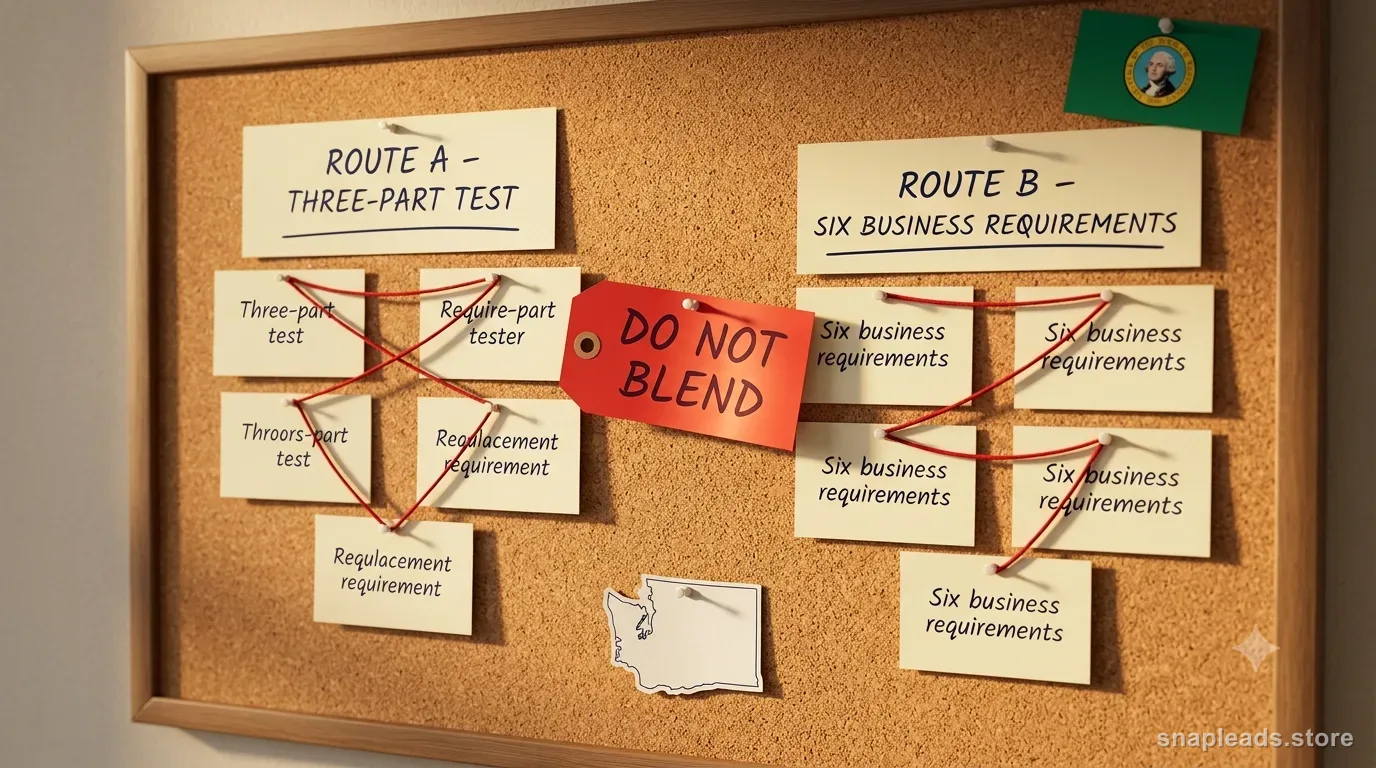 Washington Unemployment Tax Contractor Test: The Two RCW 50.04.140 Paths Employers Should Not BlendWashington unemployment law provides two different statutory routes that can exclude certain services from employment. The common mistake is borrowing favorable elements from both routes and treating them as one flexible checklist.12
 Oregon ORS 670.600: Build the Contractor File Around the 3-of-5 Independent-Business TestOregon’s ORS 670.600 framework combines freedom from direction and control, licensing requirements, and an independently established business test that generally requires evidence of three of five business criteria.13
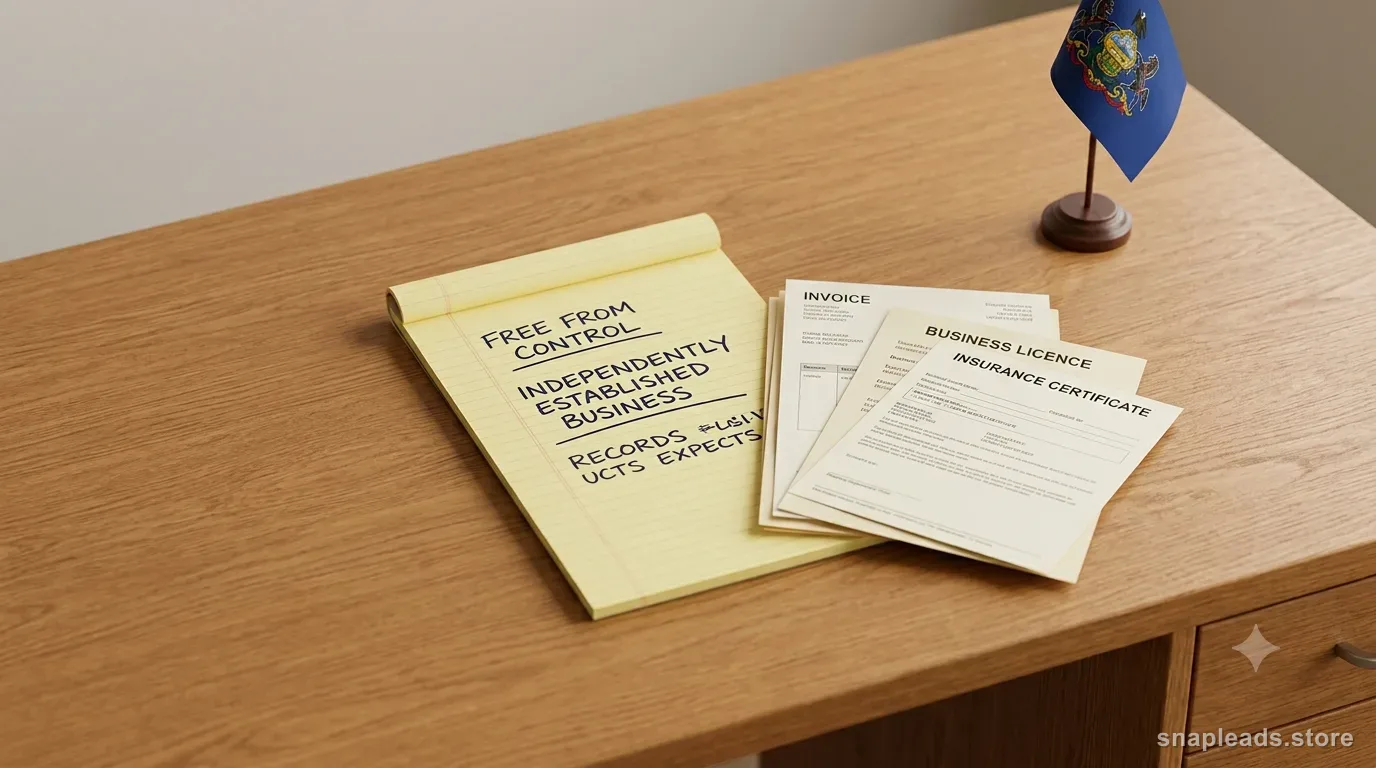 Pennsylvania UC Worker Classification: The Two-Part Test and the Records UCTS Expects to SeePennsylvania unemployment compensation starts from a presumption of employment for paid services and requires both freedom from control and an independently established business. Official employer guidance also identifies the records that can matter during an investigation.14
 Florida Reemployment Tax Classification: How to Prepare for the RTS-6061 Ten-Factor ReviewFlorida uses a common-law review built around ten relationship factors, with the right of control described by the Department of Revenue as the most important. If an unreported worker claims benefits, Form RTS-6061 can put the facts of both sides into the record.15
 Virginia VEC Contractor Classification: Turn the 20 Factors Into an Evidence File, Not a ScorecardVirginia unemployment law expressly points the Commission to the IRS Revenue Ruling 87-41 twenty-factor framework. VEC also publishes Virginia-specific exemptions, so employers need both a factor analysis and a separate exemption screen.16
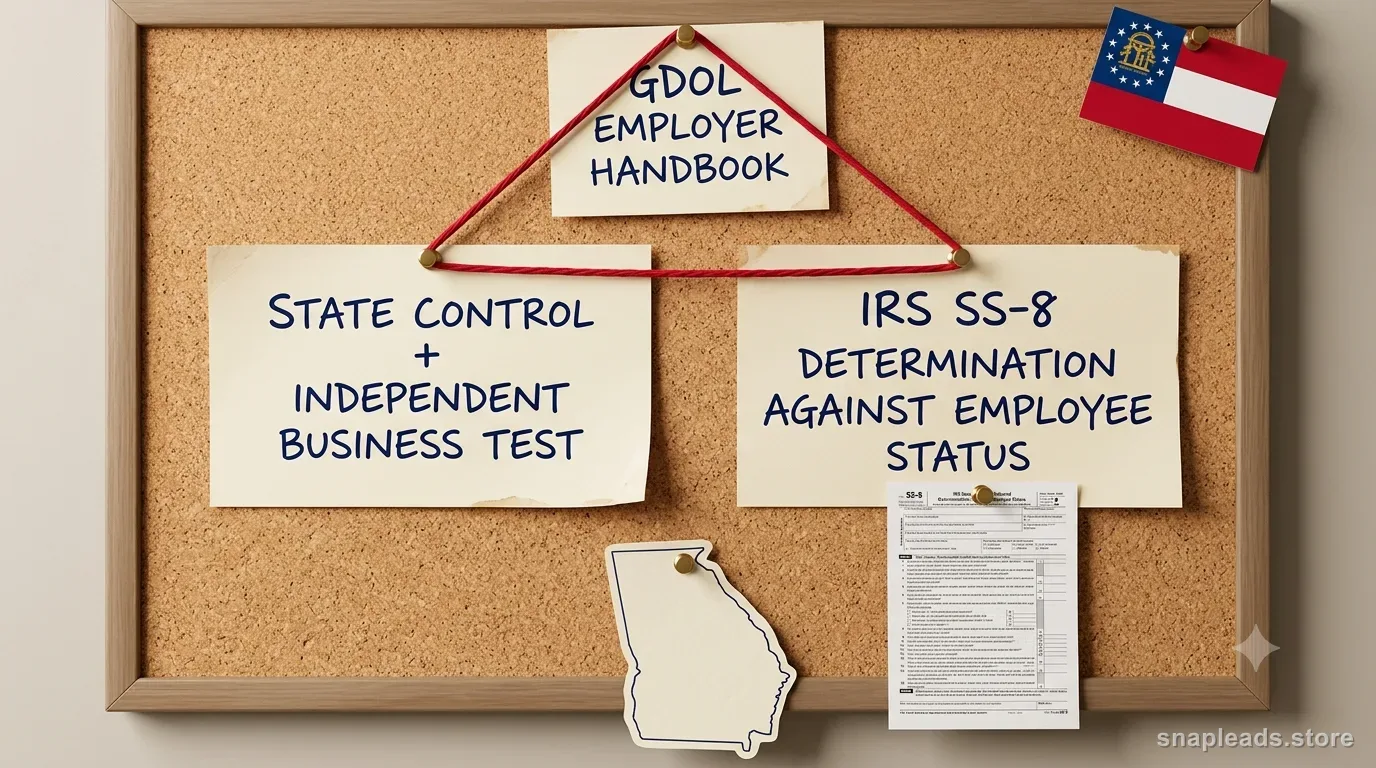 Georgia Unemployment Tax Classification: The Unusual SS-8 Alternative in the GDOL Employer HandbookGeorgia’s unemployment-tax handbook describes two alternative paths for excluding paid services from employment: a state control-and-independent-business test, or an IRS SS-8 determination against employee status for the individual or worker class. That second route is unusually specific and easy to overstate.17
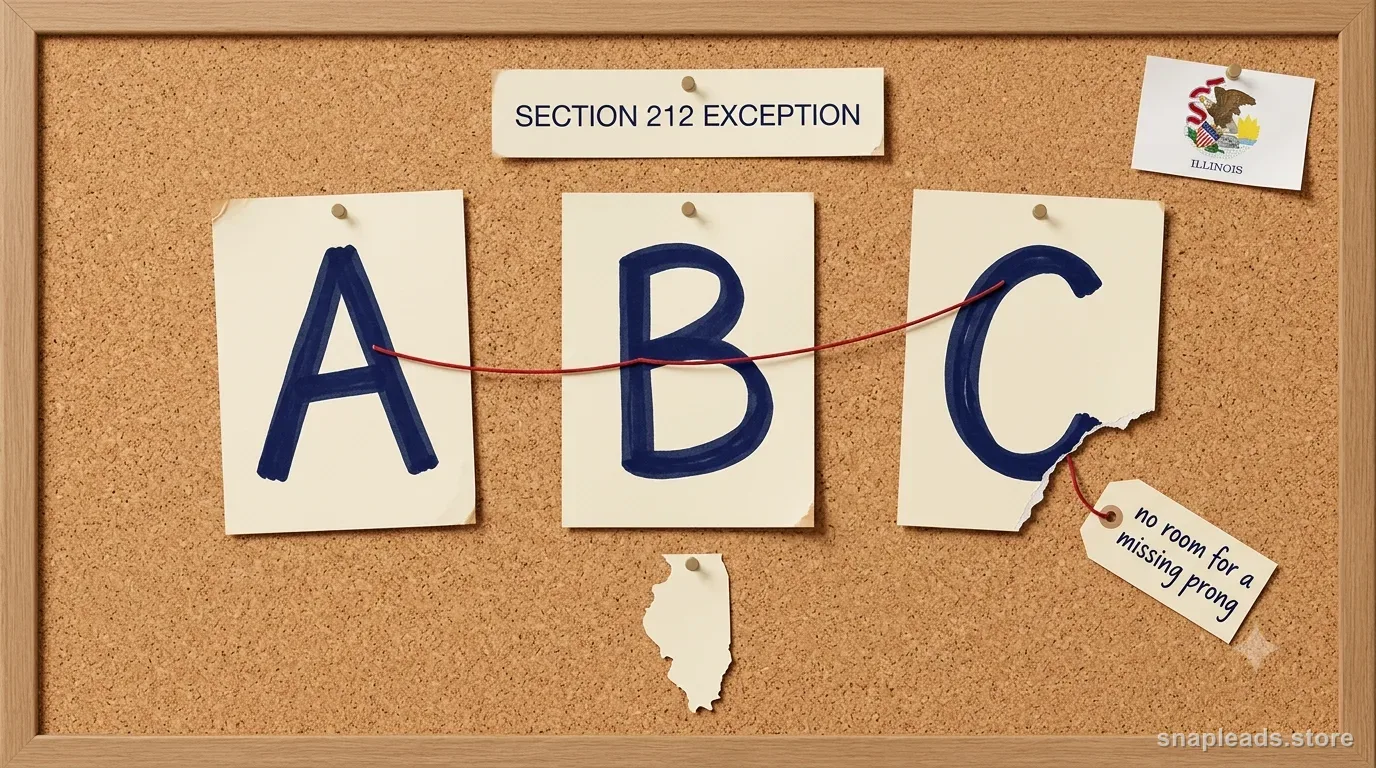 Illinois Unemployment Insurance Section 212: A Three-Prong Test With No Room for a Missing ProngIllinois unemployment insurance treats services as employment unless the Section 212 exception is established. IDES summarizes the exception as three requirements involving control, course or place of business, and an independently established trade or profession.18
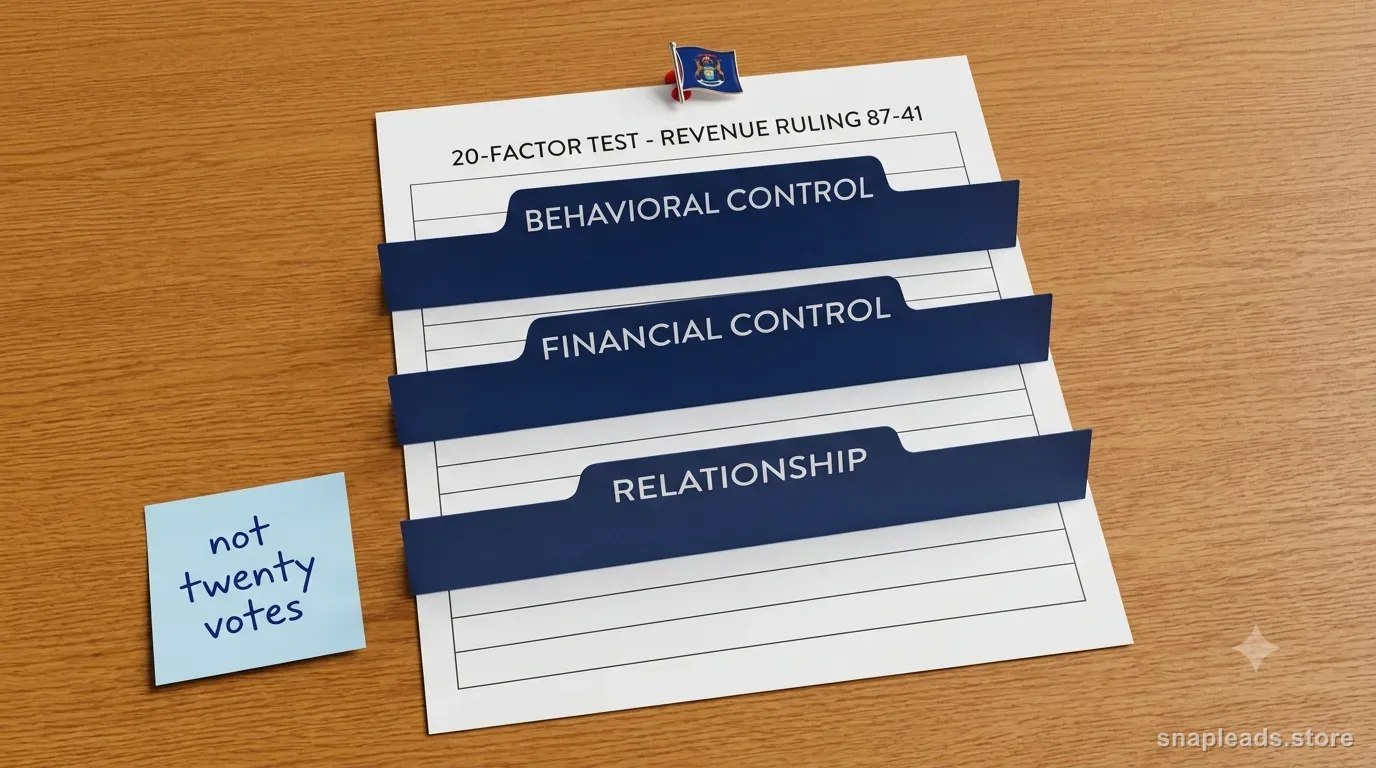 Michigan UIA Contractor Classification: Reconcile the 20-Factor Review Before an Audit or ClaimMichigan UIA says state unemployment law uses the IRS Revenue Ruling 87-41 twenty-factor test for employee-versus-contractor disputes and organizes those factors under behavioral control, financial control, and relationship themes.19
 Colorado UI Worker Classification: How the Two-Part Test, Contract Presumption, and Advisory Opinion Fit TogetherColorado unemployment law starts with two substantive questions—freedom from control and an independently established business—but a compliant written document can affect the burden of proof without replacing the real-facts inquiry.20
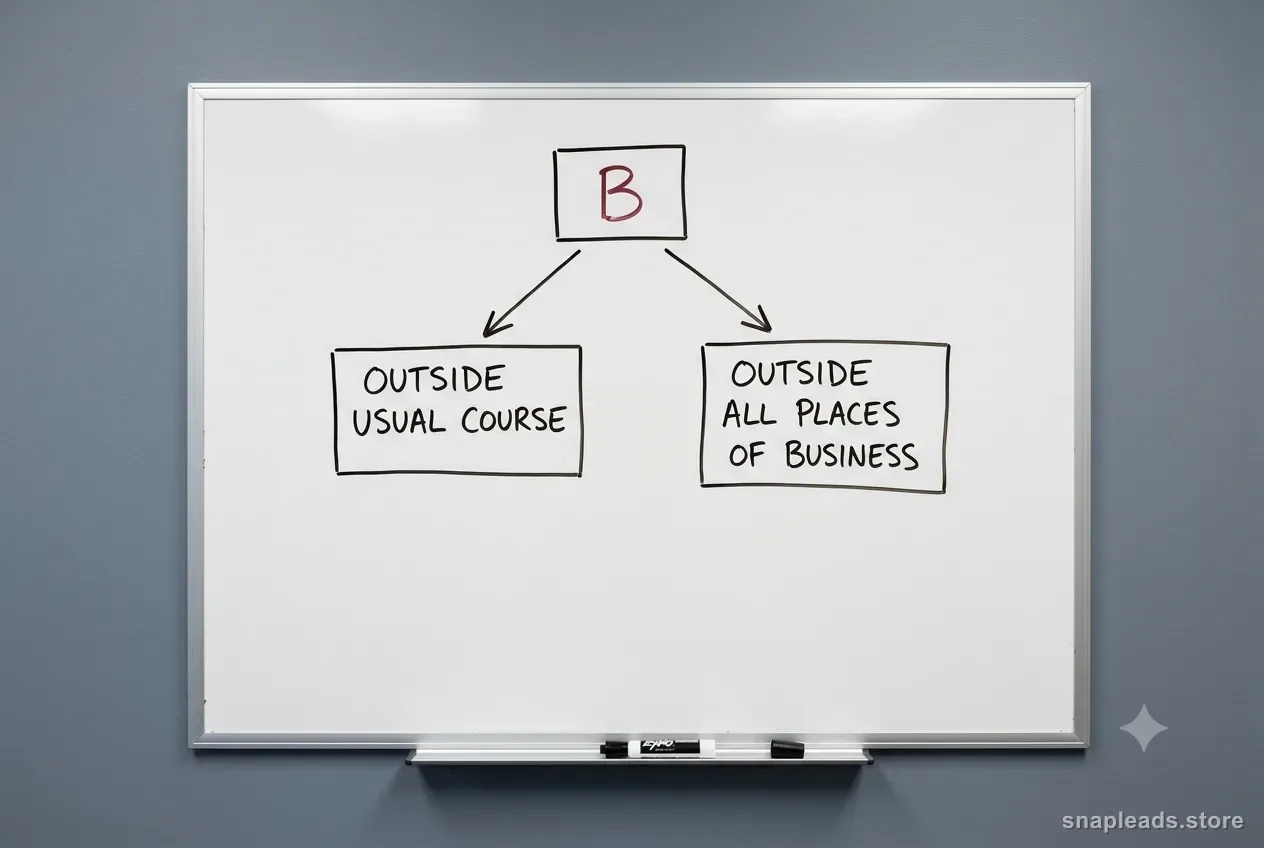 Connecticut UI ABC Test: The B-Prong Has Two Paths—Document the One You Actually UseConnecticut presumes covered employment unless all three ABC conditions are met, but the B prong contains an important either/or choice: outside the usual course of business or outside all of the employer’s places of business.21
 Wisconsin UI Contractor Test: Freedom From Control Is Only Part One—Then You Need Six of Nine ConditionsWisconsin’s unemployment test for general private employers is sequential: first prove freedom from control or direction, then establish at least six of nine independent-business conditions.22
 Minnesota Worker Classification in 2026: Separate the General UI Review From Construction and Trucking RulesMinnesota’s UI materials use common-law factors for general relationships but publish special statutory treatment for construction and for trucking or messenger/courier operators. The first task is choosing the correct lane.23
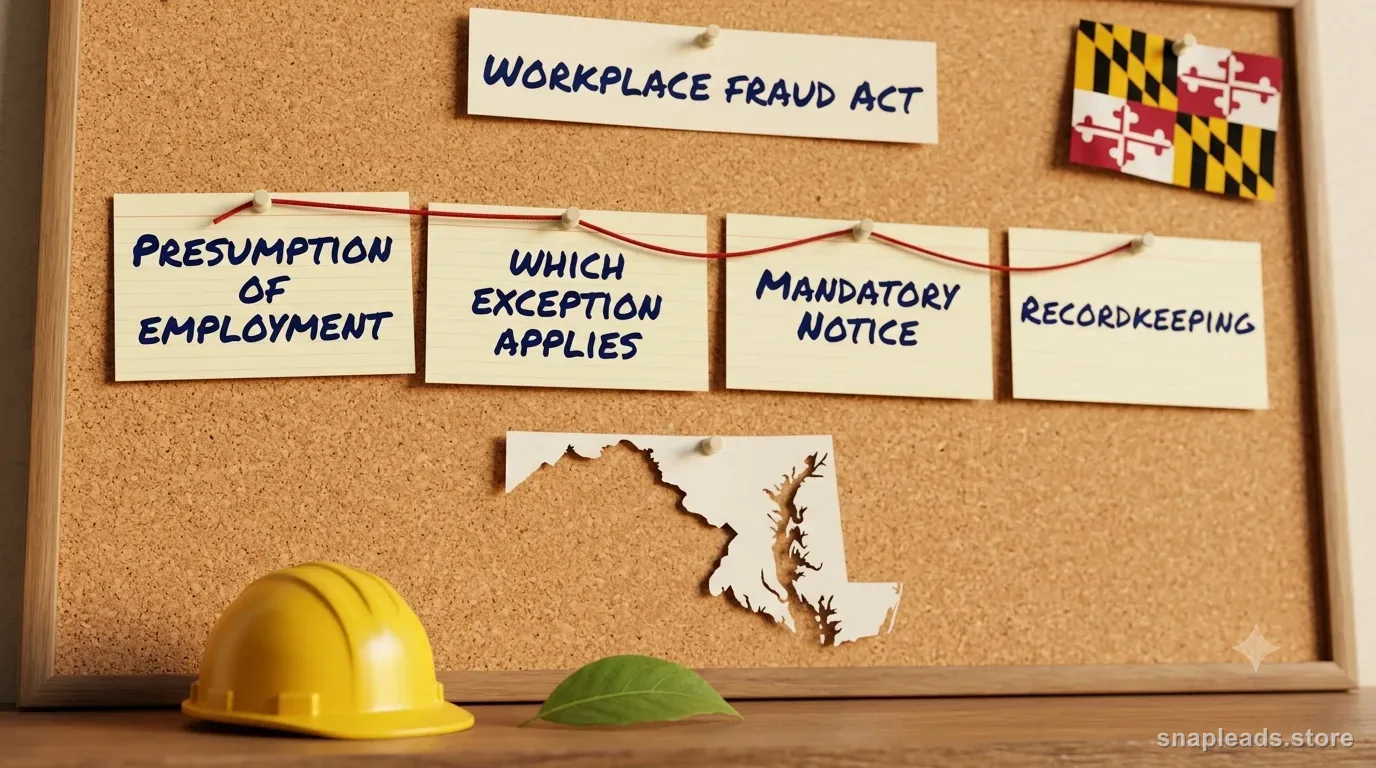 Maryland Workplace Fraud Act: The Contractor File Construction and Landscaping Businesses Must KeepMaryland’s Workplace Fraud Act adds industry-specific duties for construction and landscaping, including a presumption of employment, defined exceptions, mandatory notices, and recordkeeping obligations.24
 Ohio UI Worker Classification: Choose the Right Test Before You Answer—General, Construction, or TruckingOhio’s current unemployment policy points employers to different worker-status tests for general employment, construction, and trucking. The classification file should identify the applicable test before anyone starts answering factors.25
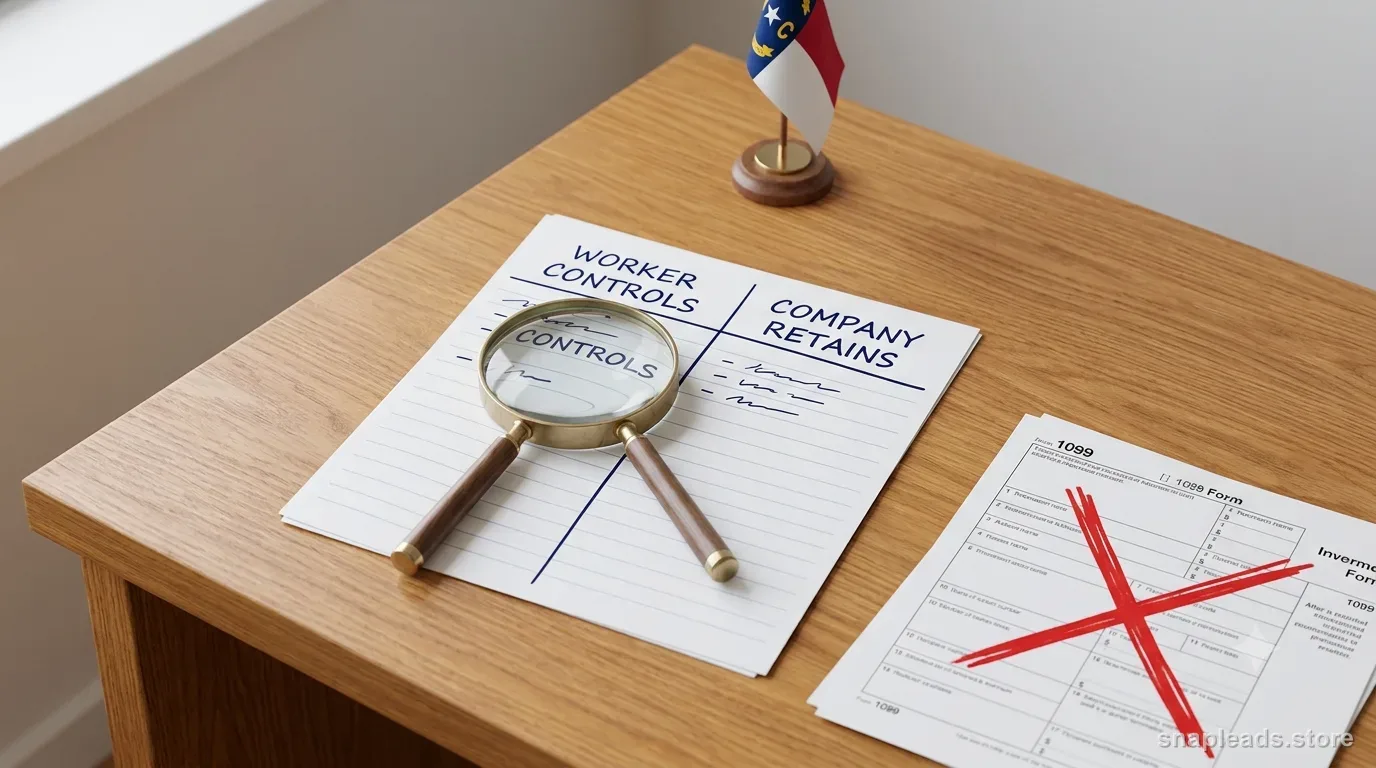 North Carolina UI Contractor Status: Build the File Around Control or Direction, Not the 1099North Carolina’s unemployment statute defines an independent contractor by the absence of the hiring person’s control or direction over the manner and details of the work. That makes operational evidence the center of the state UI file.26
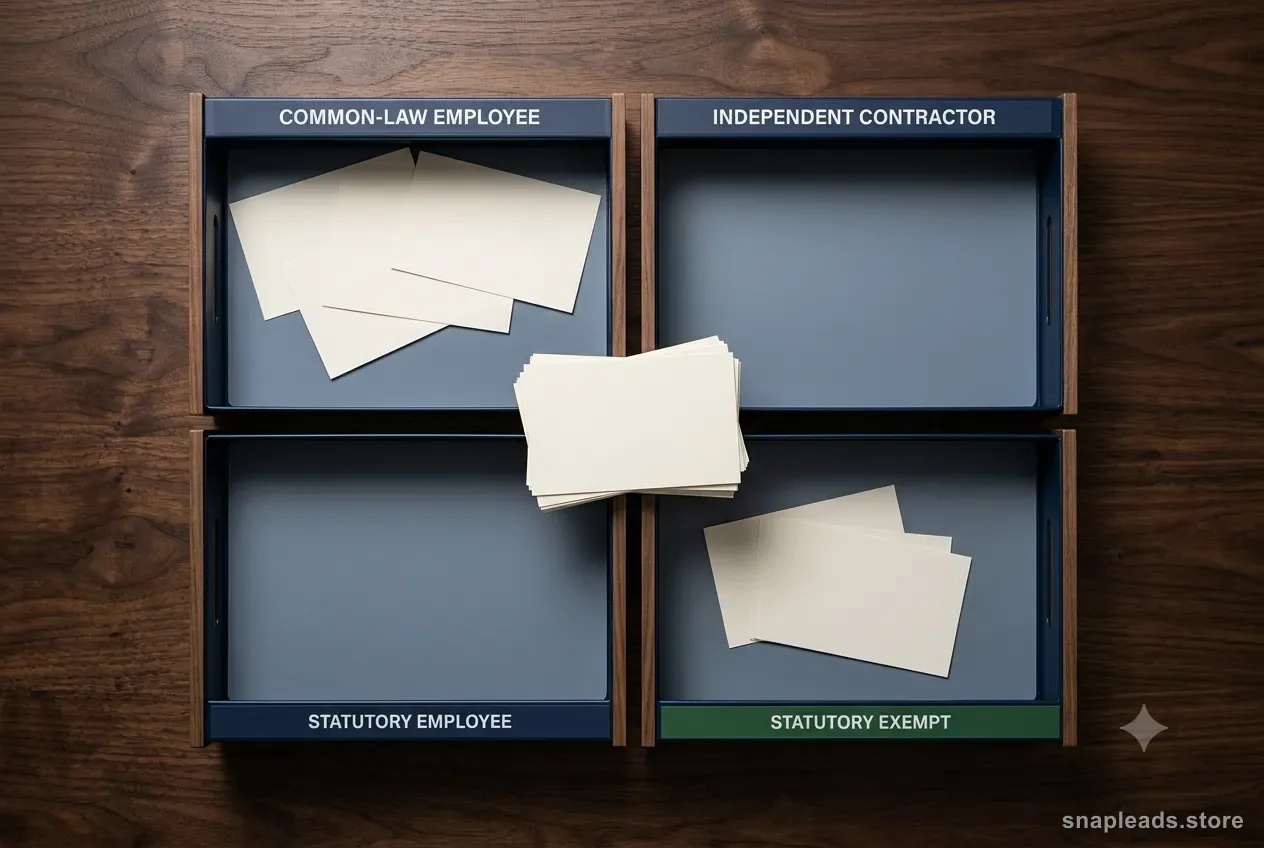 Missouri UI Worker Classification: Use the 20 Factors as Evidence—Then Check Statutory Employee and Exempt CategoriesMissouri DES uses the familiar 20-factor framework as a guide for common-law status, but state UI law also identifies statutory employees and exempt service categories that can change the reporting answer.27
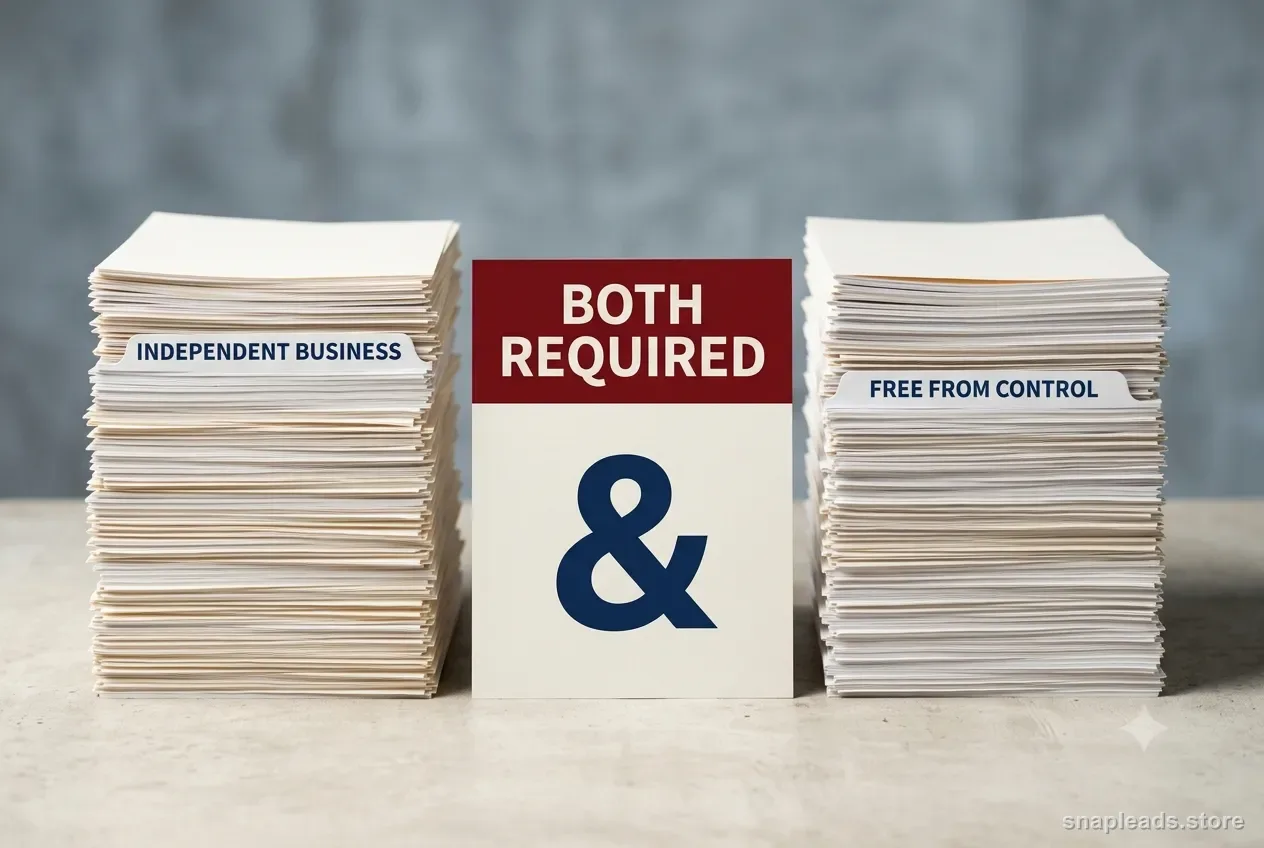 Utah UI Independent Contractor Test: Prove Both an Independent Business and Freedom From ControlUtah unemployment law treats services as employment unless the business establishes two separate conditions: the worker is customarily engaged in an independently established business of the same nature and is free from control or direction over the means of performance.28
 Nebraska Construction and Delivery Classification: Contractor Registration Is Not the Same as Employee StatusNebraska’s Employee Classification Act targets misclassification in construction and delivery services, while contractor registration is a separate compliance step. A registration number does not decide the employment relationship.29
 Arizona UI Worker Classification: Right to Control and the “Regular Part of the Business” SignalArizona DES frames employee status around control or the right to control and warns that services forming a regular part of the business can support an employment relationship even when the work is part-time, remote, seasonal, or paid outside payroll.30
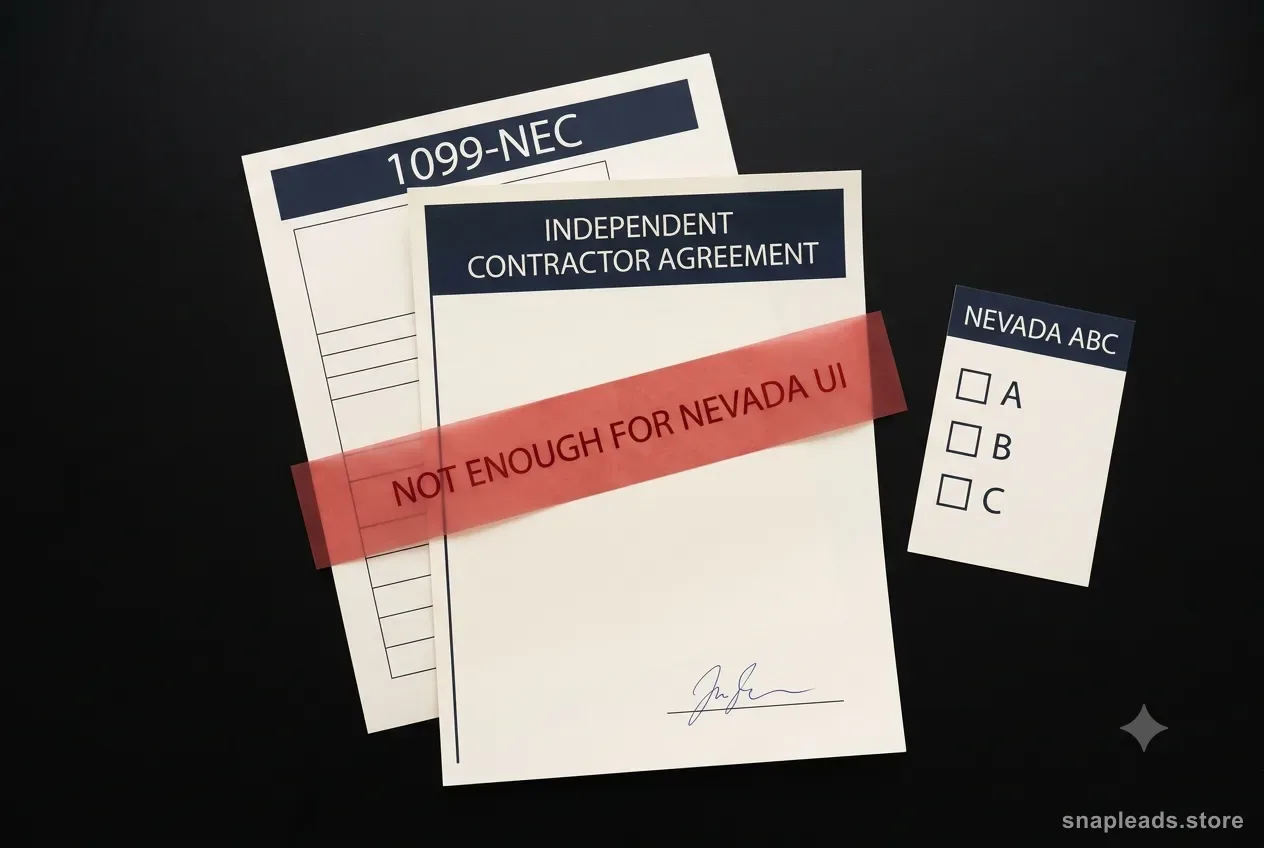 Nevada UI ABC Test: Why an IRS Contractor Result or Written Agreement Does Not Settle State CoverageNevada unemployment guidance uses an ABC test and explicitly warns that a written contractor agreement—or even contractor treatment under IRS rules—does not automatically exempt the worker from Nevada UI tax.31
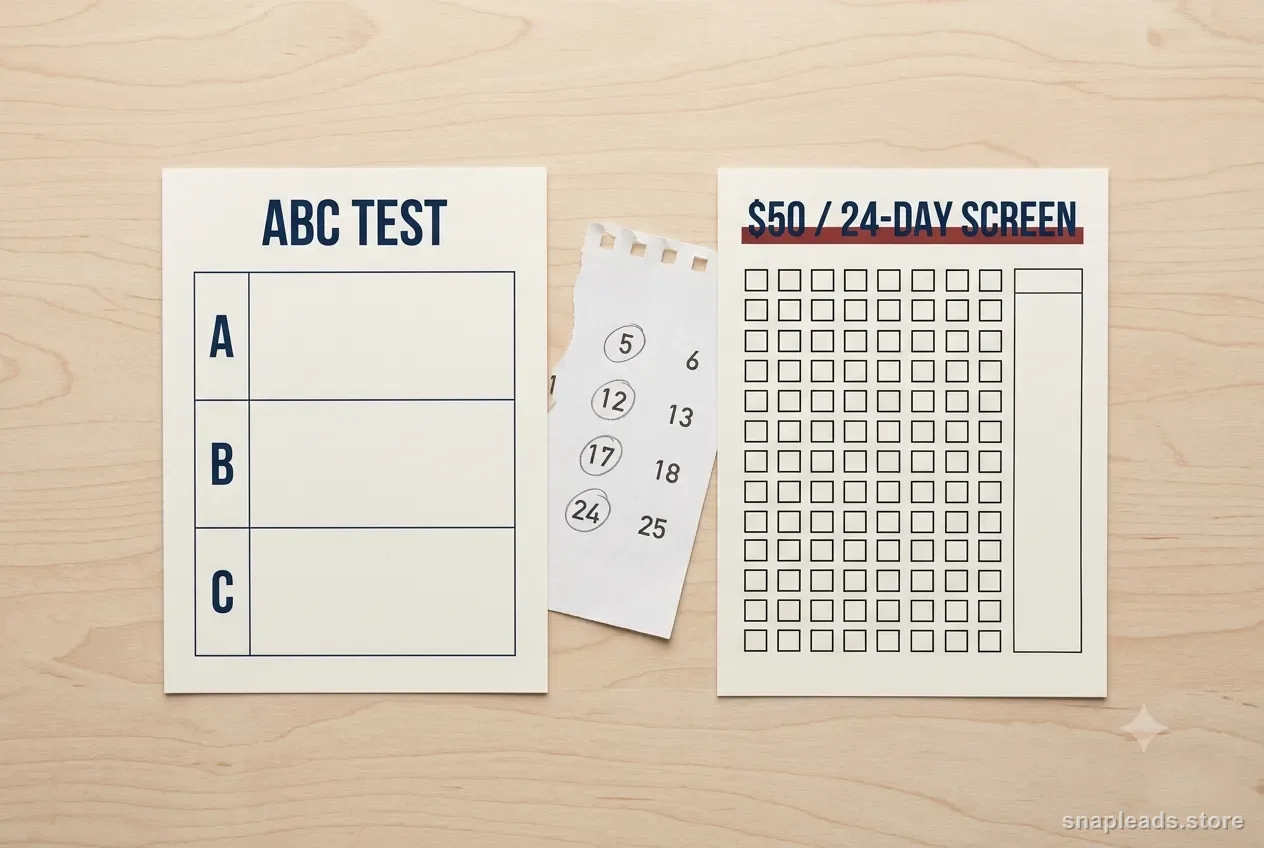 Alaska UI Contract Labor: The ABC Test Plus the $50 / 24-Day Rule Employers Commonly MissAlaska requires all three ABC conditions to exclude contract labor from UI coverage and separately describes a rule for certain services outside the employing unit’s trade or business when remuneration and regular-employment thresholds are met.32
 What Happens When You Get Audited by Unemployment?A state unemployment tax audit usually moves from notice and records to interviews, classification findings, assessment, and appeal; this guide maps the sequence.33
 How Far Back Does a State Unemployment Audit Go?State unemployment audit periods vary, and audit scope, assessment limitations, and record-retention rules are different concepts; use the state's own statute and notice.34
 Can You Be Audited With Only 1099 Contractors?A business reporting no employees can still face a state unemployment tax audit when a claim, referral, random selection, or workforce review raises status questions.35
 Employee Classification Audit Checklist for 1099 WorkersUse this worker-level self-audit to reconcile every contractor, identify the correct federal and state tests, preserve evidence, and fix role drift without point scoring.36
 EDD Audit: Do You Need an Attorney or CPA?California EDD permits representation through DE 48; whether you need a CPA, attorney, or self-representation depends on records, disputes, deadlines, and risk.37
 Can an IRS Audit Trigger a State Unemployment Audit?IRS and state tax/workforce agencies can exchange audit and employment-tax information, but one audit does not automatically trigger the other or follow a fixed sequence.38
 How to Set Up 1099 Contractor Payments in Accounts PayableAn audit-ready 1099 process starts before payment: classify the relationship, collect tax documentation, separate costs, reconcile the ledger, and apply 2026 rules.
What Can Trigger a State Unemployment Tax Worker-Classification Audit?A notice from a state unemployment agency often begins with a worker, a wage record, or an employer filing—not with a dramatic allegation of fraud.02How to Organize a State Unemployment Audit Document RequestAn audit request can look like a miscellaneous pile of payroll, bank, 1099, contract, and worker records. A document map turns it into a controlled response.03How to Answer a Worker-Classification Questionnaire Without GuessingState questionnaires often ask short yes-or-no questions about control, tools, schedules, customers, and termination. The underlying facts are rarely that short.04Preparing 1099 and Accounts-Payable Records for an Unemployment AuditInformation returns are only the top layer of the record. The audit file should connect each 1099 payee to the services, payment history, and actual working relationship behind the form.05California EDD Worker-Classification Audit: Build the File Around California LawCalifornia unemployment and payroll-tax questions cannot be answered by pasting an IRS common-law memo into the response.06Texas Workforce Commission Contractor Test: Review the Actual Direction and ControlTexas unemployment-tax classification uses a state framework with published factors. It deserves its own worksheet instead of a federal 1099 checklist.07New York Unemployment Insurance Worker Classification: Focus on Supervision, Direction, and ControlNew York publishes worker-status guidance for unemployment insurance that looks closely at how services are supervised, directed, and controlled.08What to Do After a State Unemployment Audit Reclassifies ContractorsA state determination is not the end of the project. It creates a record, a deadline, and a set of operational questions that must be separated and managed.09New Jersey ABC Test in 2026: What Employers Should Document Before the October 1 Regulations Become OperativeNew Jersey adopted regulations clarifying its ABC test in May 2026, but the rules are not operative until October 1, 2026. This guide separates the current test from the upcoming regulatory framework and turns each prong into an evidence file.10Massachusetts Independent Contractor Test: Why “Outside the Usual Course” Deserves Its Own FileMassachusetts uses a strict three-part framework in key worker-classification contexts. This guide focuses on the prong employers most often describe too vaguely: whether the service is outside the usual course of the business.11Washington Unemployment Tax Contractor Test: The Two RCW 50.04.140 Paths Employers Should Not BlendWashington unemployment law provides two different statutory routes that can exclude certain services from employment. The common mistake is borrowing favorable elements from both routes and treating them as one flexible checklist.12Oregon ORS 670.600: Build the Contractor File Around the 3-of-5 Independent-Business TestOregon’s ORS 670.600 framework combines freedom from direction and control, licensing requirements, and an independently established business test that generally requires evidence of three of five business criteria.13Pennsylvania UC Worker Classification: The Two-Part Test and the Records UCTS Expects to SeePennsylvania unemployment compensation starts from a presumption of employment for paid services and requires both freedom from control and an independently established business. Official employer guidance also identifies the records that can matter during an investigation.14Florida Reemployment Tax Classification: How to Prepare for the RTS-6061 Ten-Factor ReviewFlorida uses a common-law review built around ten relationship factors, with the right of control described by the Department of Revenue as the most important. If an unreported worker claims benefits, Form RTS-6061 can put the facts of both sides into the record.15Virginia VEC Contractor Classification: Turn the 20 Factors Into an Evidence File, Not a ScorecardVirginia unemployment law expressly points the Commission to the IRS Revenue Ruling 87-41 twenty-factor framework. VEC also publishes Virginia-specific exemptions, so employers need both a factor analysis and a separate exemption screen.16Georgia Unemployment Tax Classification: The Unusual SS-8 Alternative in the GDOL Employer HandbookGeorgia’s unemployment-tax handbook describes two alternative paths for excluding paid services from employment: a state control-and-independent-business test, or an IRS SS-8 determination against employee status for the individual or worker class. That second route is unusually specific and easy to overstate.17Illinois Unemployment Insurance Section 212: A Three-Prong Test With No Room for a Missing ProngIllinois unemployment insurance treats services as employment unless the Section 212 exception is established. IDES summarizes the exception as three requirements involving control, course or place of business, and an independently established trade or profession.18Michigan UIA Contractor Classification: Reconcile the 20-Factor Review Before an Audit or ClaimMichigan UIA says state unemployment law uses the IRS Revenue Ruling 87-41 twenty-factor test for employee-versus-contractor disputes and organizes those factors under behavioral control, financial control, and relationship themes.19Colorado UI Worker Classification: How the Two-Part Test, Contract Presumption, and Advisory Opinion Fit TogetherColorado unemployment law starts with two substantive questions—freedom from control and an independently established business—but a compliant written document can affect the burden of proof without replacing the real-facts inquiry.20Connecticut UI ABC Test: The B-Prong Has Two Paths—Document the One You Actually UseConnecticut presumes covered employment unless all three ABC conditions are met, but the B prong contains an important either/or choice: outside the usual course of business or outside all of the employer’s places of business.21Wisconsin UI Contractor Test: Freedom From Control Is Only Part One—Then You Need Six of Nine ConditionsWisconsin’s unemployment test for general private employers is sequential: first prove freedom from control or direction, then establish at least six of nine independent-business conditions.22Minnesota Worker Classification in 2026: Separate the General UI Review From Construction and Trucking RulesMinnesota’s UI materials use common-law factors for general relationships but publish special statutory treatment for construction and for trucking or messenger/courier operators. The first task is choosing the correct lane.23Maryland Workplace Fraud Act: The Contractor File Construction and Landscaping Businesses Must KeepMaryland’s Workplace Fraud Act adds industry-specific duties for construction and landscaping, including a presumption of employment, defined exceptions, mandatory notices, and recordkeeping obligations.24Ohio UI Worker Classification: Choose the Right Test Before You Answer—General, Construction, or TruckingOhio’s current unemployment policy points employers to different worker-status tests for general employment, construction, and trucking. The classification file should identify the applicable test before anyone starts answering factors.25North Carolina UI Contractor Status: Build the File Around Control or Direction, Not the 1099North Carolina’s unemployment statute defines an independent contractor by the absence of the hiring person’s control or direction over the manner and details of the work. That makes operational evidence the center of the state UI file.26Missouri UI Worker Classification: Use the 20 Factors as Evidence—Then Check Statutory Employee and Exempt CategoriesMissouri DES uses the familiar 20-factor framework as a guide for common-law status, but state UI law also identifies statutory employees and exempt service categories that can change the reporting answer.27Utah UI Independent Contractor Test: Prove Both an Independent Business and Freedom From ControlUtah unemployment law treats services as employment unless the business establishes two separate conditions: the worker is customarily engaged in an independently established business of the same nature and is free from control or direction over the means of performance.28Nebraska Construction and Delivery Classification: Contractor Registration Is Not the Same as Employee StatusNebraska’s Employee Classification Act targets misclassification in construction and delivery services, while contractor registration is a separate compliance step. A registration number does not decide the employment relationship.29Arizona UI Worker Classification: Right to Control and the “Regular Part of the Business” SignalArizona DES frames employee status around control or the right to control and warns that services forming a regular part of the business can support an employment relationship even when the work is part-time, remote, seasonal, or paid outside payroll.30Nevada UI ABC Test: Why an IRS Contractor Result or Written Agreement Does Not Settle State CoverageNevada unemployment guidance uses an ABC test and explicitly warns that a written contractor agreement—or even contractor treatment under IRS rules—does not automatically exempt the worker from Nevada UI tax.31Alaska UI Contract Labor: The ABC Test Plus the $50 / 24-Day Rule Employers Commonly MissAlaska requires all three ABC conditions to exclude contract labor from UI coverage and separately describes a rule for certain services outside the employing unit’s trade or business when remuneration and regular-employment thresholds are met.32What Happens When You Get Audited by Unemployment?A state unemployment tax audit usually moves from notice and records to interviews, classification findings, assessment, and appeal; this guide maps the sequence.33How Far Back Does a State Unemployment Audit Go?State unemployment audit periods vary, and audit scope, assessment limitations, and record-retention rules are different concepts; use the state's own statute and notice.34Can You Be Audited With Only 1099 Contractors?A business reporting no employees can still face a state unemployment tax audit when a claim, referral, random selection, or workforce review raises status questions.35Employee Classification Audit Checklist for 1099 WorkersUse this worker-level self-audit to reconcile every contractor, identify the correct federal and state tests, preserve evidence, and fix role drift without point scoring.36EDD Audit: Do You Need an Attorney or CPA?California EDD permits representation through DE 48; whether you need a CPA, attorney, or self-representation depends on records, disputes, deadlines, and risk.37Can an IRS Audit Trigger a State Unemployment Audit?IRS and state tax/workforce agencies can exchange audit and employment-tax information, but one audit does not automatically trigger the other or follow a fixed sequence.38How to Set Up 1099 Contractor Payments in Accounts PayableAn audit-ready 1099 process starts before payment: classify the relationship, collect tax documentation, separate costs, reconcile the ledger, and apply 2026 rules.