
Is a bookkeeper a 1099 contractor or W-2 employee?
There is no IRS rule that makes every bookkeeper a contractor or every recurring bookkeeper an employee. Federal employment-tax status depends on the actual relationship. The IRS groups relevant evidence into behavioral control, financial control, and the type of relationship. For bookkeeping, the useful question is not whether the person works from home or sends an invoice. It is whether the business has the right to direct how the bookkeeping function is performed and whether the bookkeeper is operating an independent business.
A one-time project to clean up two years of books, migrate a company from one accounting system to another, or reconstruct a damaged ledger can look very different from a bookkeeper who closes the books every Friday, follows the owner's detailed checklist, uses only company systems, attends staff meetings, and performs indefinitely. Both people may use the same software and professional skills, but the operational relationship can be different. This is employer education, not legal or tax advice.
Start with the scope: project result or standing finance function
A contractor arrangement is easier to analyze when the engagement has a defined business result. Examples include reconciling a backlog through a stated date, converting a chart of accounts, building a month-end workflow, or preparing a fixed set of historical reports. The business can specify the required output and deadlines while leaving the bookkeeper meaningful discretion over sequencing and method. That does not automatically create contractor status, but it creates a different factual record from an open-ended staff role.
An ongoing finance function deserves closer review. If the company determines which transactions must be entered each day, requires work during set windows, assigns recurring internal tasks, dictates the exact process, reviews routine work as part of normal supervision, and changes priorities at will, those facts can show a right to control how the services are performed. The fact that the bookkeeper is part time does not decide the issue; IRS guidance expressly says part-time status does not prevent an employee relationship.
Software access is evidence, but software ownership is not the test
Modern bookkeeping often happens inside the client's QuickBooks, Xero, ERP, bill-pay platform, bank portal, or document system. Access to client software is necessary for many genuine outside accounting firms, so using the client's login environment does not by itself create employment. The stronger question is what the client does with that access. Does the client prescribe the bookkeeping method step by step, require the worker to remain online at set times, or use the same supervision workflow it uses for staff?
Security rules should not be confused with classification control. A company can require multifactor authentication, confidentiality, segregation of duties, approval limits, and data-handling standards from a contractor without necessarily dictating professional method. A useful file separates compliance constraints from work-method instructions. That distinction is especially important in finance roles where access controls are mandatory regardless of worker status.
Financial independence should be visible outside the invoice
A true bookkeeping business may set or negotiate project fees, maintain professional software or insurance, market to multiple clients, absorb some administrative costs, decide how to staff or sequence its work where the agreement permits, and face the possibility that a poorly scoped fixed-fee project is less profitable than expected. None of those facts is a required scorecard. Together, however, they can show that the service provider is operating a business rather than simply receiving wages through accounts payable.
By contrast, an invoice generated from an hourly time sheet does not prove independence. If the company sets the rate, guarantees a continuing workload, reimburses essentially every cost, supplies all business infrastructure, prohibits other clients in practice, and directs the worker like finance staff, the invoice may be only a payment document. Review the underlying economics rather than treating a W-9 and monthly invoice as classification evidence.
Compare the bookkeeper with similar W-2 finance workers
A classification review becomes stronger when the company compares workers performing substantially similar services. If a W-2 accounting clerk and a 1099 bookkeeper both reconcile the same accounts, follow the same daily checklist, report to the same controller, work the same recurring schedule, and use the same approval chain, the company should be able to explain the operational difference beyond title and pay method. Inconsistent treatment of similar workers can also matter when the business later asks for federal employment-tax relief such as Section 530.
The comparison can cut the other way. A company may have a W-2 accounts-payable clerk who handles daily transactions while an outside bookkeeping firm performs quarterly cleanup and management reporting under a separate fixed-fee scope. The fact that both touch the accounting system does not make them equivalent. Document task boundaries, decision rights, deliverables, and who bears business risk.
When to use Form SS-8 instead of guessing
If the facts remain genuinely uncertain, either the firm or worker may request an IRS federal employment-tax status determination on Form SS-8. Before filing, assemble the engagement agreement, invoices, work instructions, recurring schedules, examples of approval or supervision, evidence of other clients, business expenses, and a concise description of how the relationship changed over time. An SS-8 submission should describe the facts rather than argue from the word “freelancer.”
Also review the state in which the services are performed. State unemployment, wage, and other employment laws can use tests different from the IRS common-law framework. A federal tax conclusion should not be copied into a state file without checking the applicable state rule. Build separate federal and state classification notes if the bookkeeper works across state lines.
Bookkeeping relationship matrix
Project bookkeeper vs. embedded bookkeeping role
Use the rows to document facts, not to award points. No single row decides status.
| Fact | More project-like | More staff-like |
|---|---|---|
| Scope | Defined cleanup, conversion, or reporting deliverable | Indefinite recurring finance duties |
| Method | Provider chooses workflow within required controls | Company dictates detailed work process |
| Schedule | Deadline-based or provider-managed | Company assigns standing work hours |
| Economics | Negotiated project fee and visible business costs | Company-set hourly rate with little business risk |
| Market | Provider serves or markets to other clients | Relationship functions as a single ongoing job |
| Comparison | Distinct from W-2 finance staff | Same tasks and supervision as similar employees |
WORKED EXAMPLE
Worked example: monthly close versus a cleanup project
A retail company pays Alex $42 per hour every week to categorize transactions, reconcile accounts by Friday, attend Monday finance meetings, follow the controller's detailed close checklist, and remain available in the company's chat from 10 a.m. to 4 p.m. Alex sends invoices but has no other clients. The invoice and remote work do not resolve the classification question; the recurring scope and right-to-control facts need review.
The same company hires LedgerWorks LLC for $7,500 to repair 18 months of unreconciled books and deliver corrected balances by October 31. LedgerWorks serves other clients, chooses its internal workflow, uses its own professional tools outside the client's accounting system, and bears the cost of extra hours if the fixed-fee scope takes longer than expected. The two bookkeeping relationships should be documented separately rather than classified by occupation.
COMMON QUESTIONS
Frequently asked
- Can a part-time bookkeeper be a W-2 employee?
- Yes. Part-time status does not prevent an employee relationship. Review control, financial independence, and the relationship as a whole. Part-time worker classification
- Does using my accounting software make the bookkeeper an employee?
- Not by itself. Outside professionals often need client-system access. The stronger question is whether the company controls the method and ongoing work like it controls staff.
- Does a bookkeeping contract make the person a contractor?
- No. The agreement is evidence of the intended relationship, but the actual working facts govern. Why the contract does not decide status
- Can we ask the IRS to decide a bookkeeper's status?
- Yes. A firm or worker can use Form SS-8 to request a federal employment-tax determination when status is uncertain. When to file Form SS-8
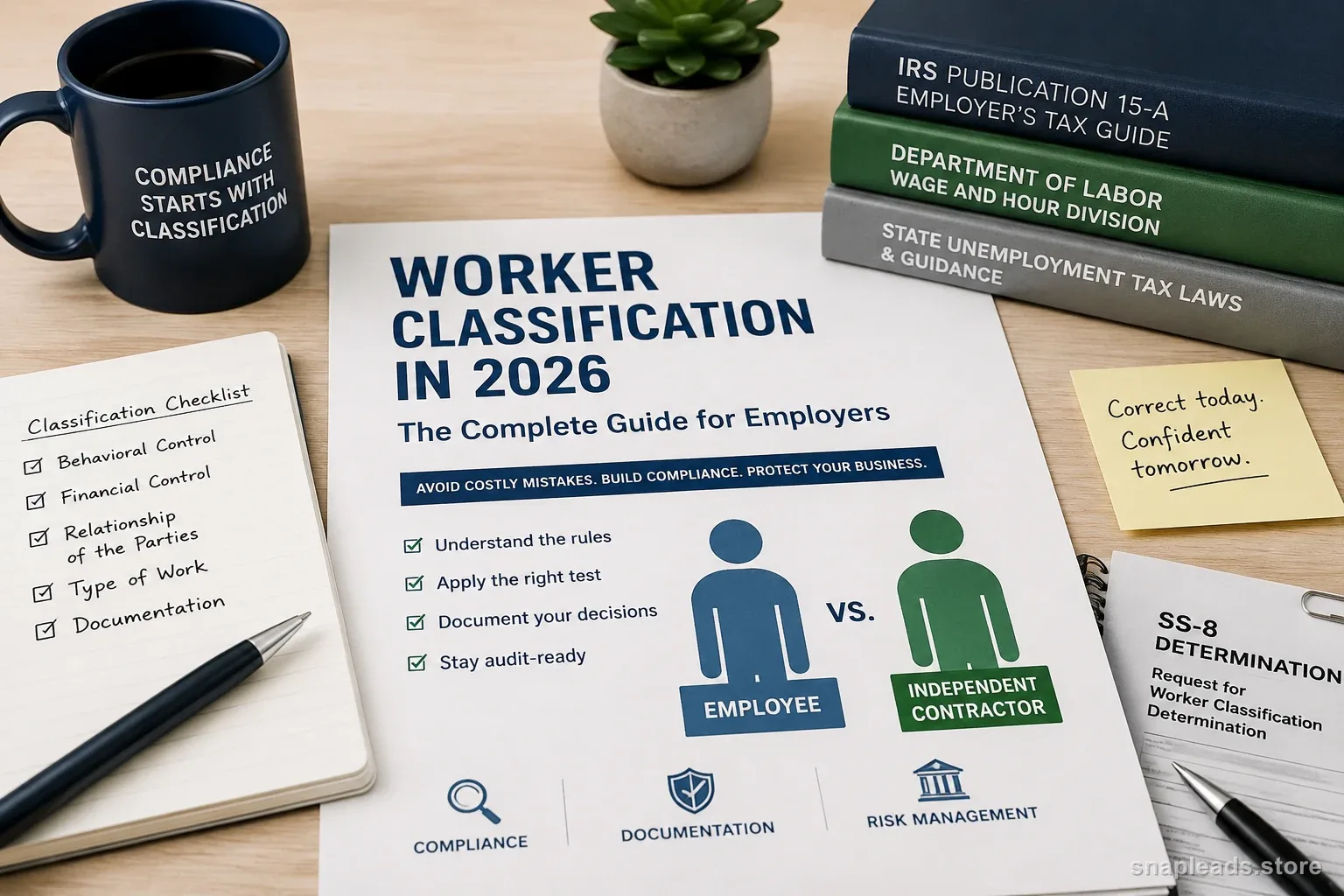 1099 or W-2? Start With the IRS Three-Category Classification Framework
 Is a Remote Software Developer a Contractor or Employee?
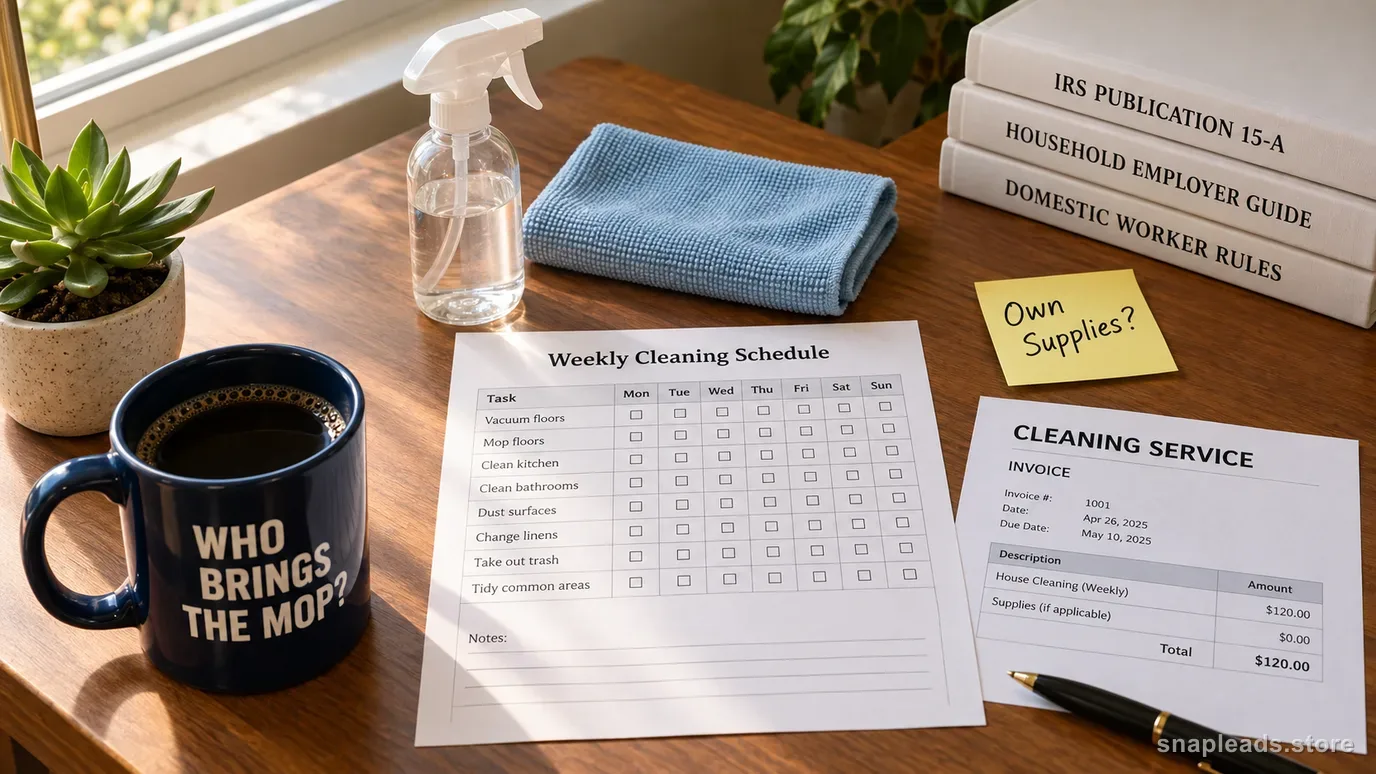 Should I Pay My House Cleaner as 1099 or W-2?
 Is a Personal Trainer at a Gym an Employee or Contractor?
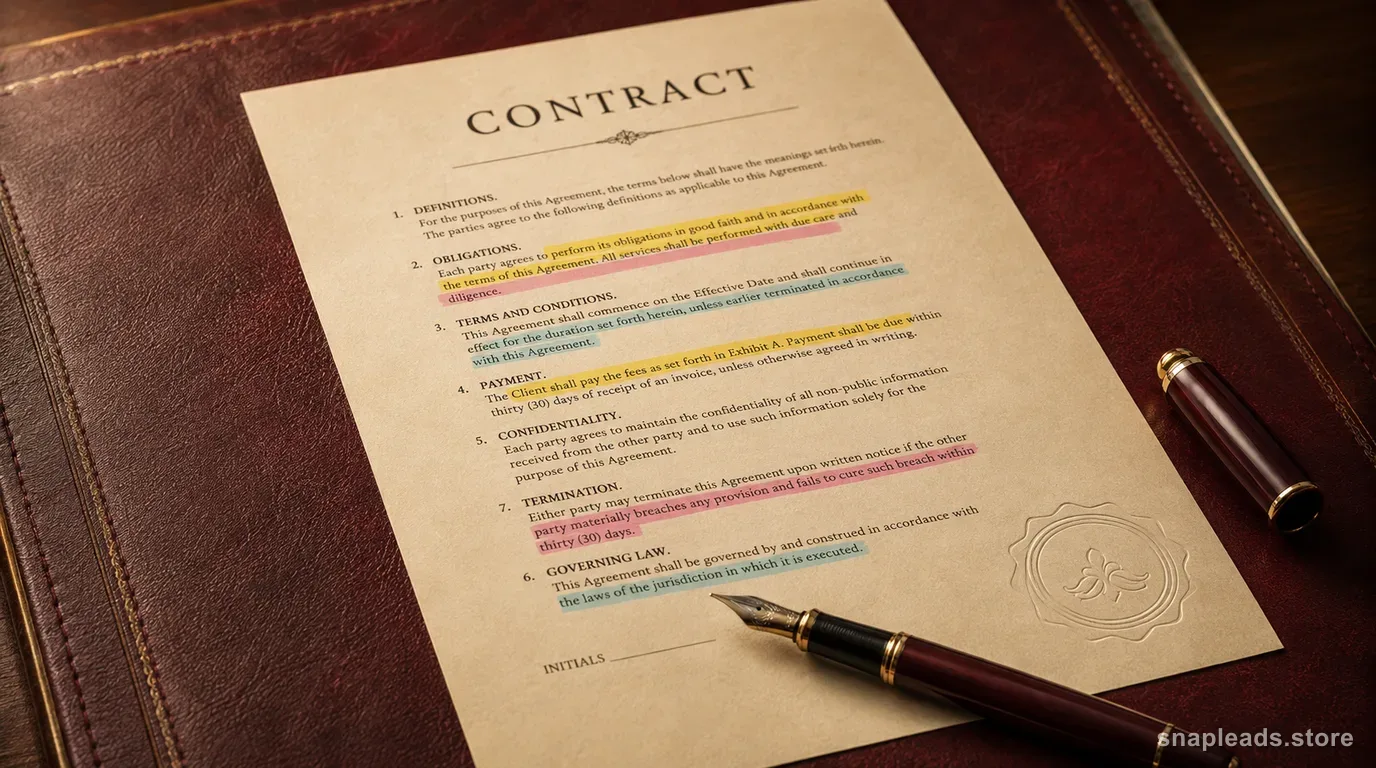 Independent Contractor Agreement Clauses That Matter for Tax
 Are Delivery Drivers 1099 or W-2?