
What happens when you get audited by unemployment?
A state unemployment tax audit usually starts with a notice or contact identifying the business, audit period, requested records, and an auditor or tax examiner. The exact process varies by state, so there is no national unemployment-audit script. California's EDD provides a useful concrete model: its published Employment Tax Audit Process says the audit verifies compliance, worker classification, and proper reporting of employee payments, and begins with an entrance interview before the records are reviewed.
The safest first move is administrative, not argumentative. Calendar every deadline, preserve the notice and envelope, identify the periods and worker population, suspend any routine deletion that could affect relevant records, and assign one person to control submissions. Do not start sending random contracts or writing broad explanations before you know what the agency requested. This is employer education, not legal or tax advice.
Stage 1: notice, scope, and entrance interview
The opening contact should give you enough to build an audit-control sheet: agency, account number, tax program, audit period, requested records, appointment date, examiner, and response method. In California, DE 231TA says the auditor conducts an entrance interview with the employer or designated representative to explain the purpose and process, gather information about the organization and accounting records, and answer questions. That makes the entrance interview a fact-gathering event, not a closing argument.
Prepare a one-page business map before that interview. Show entity structure, locations, payroll system, accounts-payable system, worker categories, and who owns each record set. If classification is likely to be an issue, prepare a clean contractor roster rather than waiting for the auditor to reconstruct one from the general ledger. Keep business background facts accurate and consistent with tax registrations and prior agency filings.
Stage 2: records are tested against the worker population
The document phase typically extends beyond payroll. California's published process says auditors may review records to verify ownership and entity type, determine whether people paid for services were properly classified, discuss questionable payments, and examine documents such as invoices, billings, corporate minutes, or written agreements when classification issues arise. Texas likewise requires records on people performing services, including records on independent contractors, because worker payments can appear outside ordinary payroll.
That is why the audit response should reconcile payroll and accounts payable. Produce a master worker list showing name, service period, payment total, form issued, work location, and proposed classification. Tie that list to Forms W-2, Forms 1099, the general ledger, bank or payment records, and contracts. If totals do not reconcile, document the reason before submission instead of leaving the auditor to infer that missing payments are wages.
Stage 3: questionnaires and interviews test the working relationship
When contractor status is questioned, an agency may ask the business and worker about instructions, tools, scheduling, payment, opportunity for profit or loss, other customers, termination, and the nature of the relationship. The state test matters. Do not answer a California, Texas, or New York unemployment questionnaire by pasting the IRS federal tax framework if the state uses a different statutory rule.
Use contemporaneous facts. Compare the contract to actual schedules, invoices, routing, software, pricing, and manager communications. If the relationship changed during the audit period, identify the date and explain the before-and-after facts rather than forcing every year into one description. A consistent factual record is more useful than a long memo full of labels such as 'independent,' 'flexible,' or 'entrepreneurial.'
Stage 4: findings become a tax calculation, not just a status opinion
If the agency concludes that contractor payments were employee wages, the audit can move into tax computation. The business should ask for the worker list, quarters, payment amounts, tax types, and calculation assumptions used in the proposed adjustment. Separate factual classification disagreements from arithmetic disagreements. You may agree that a worker belongs in the employee population but dispute the quarter, wage amount, duplicate payment, or tax base used.
California's DE 231MW explains the post-assessment path for misclassified workers, including payment, installment arrangements, petition rights, and the possibility of a pre-assessment conference. The important operational lesson is to reconcile the proposed worker population and numbers before the protest deadline rather than treating the assessment as one indivisible result.
Stage 5: conference, assessment, protest, or appeal
Do not assume the last auditor meeting is the last chance to challenge the result. California states that the auditor explains the basis for an audit assessment and petition rights and can offer a pre-assessment conference with the auditor and supervisor. DE 231MW also says an employer generally has 30 days after an assessment is issued to file a petition for reassessment, subject to the notice's specific rights and procedures.
Other states use different notices and deadlines. Build a closing calendar that lists proposed finding date, conference request date, assessment date, protest or petition deadline, payment decision, and appeal forum. Preserve proof of filing. A technically strong classification argument can be lost procedurally if the employer misses the notice-specific deadline.
Audit timeline
State unemployment audit control board
Use one row per stage and attach the actual state notice or official instruction controlling that stage.
| Stage | Business task | Output |
|---|---|---|
| Notice / scope | Confirm period, tax program, worker population, deadline | Audit-control sheet |
| Entrance interview | Map entity, systems, worker groups, record owners | Business and records map |
| Document review | Reconcile payroll, AP, 1099/W-2, contracts, payments | Worker-payment master file |
| Classification review | Answer state-specific facts consistently | Worker fact matrix |
| Findings / assessment | Reconcile worker list, quarters, amounts, tax types | Issue-and-calculation log |
| Protest / appeal | Calendar notice-specific rights and file timely | Proof-of-filing package |
WORKED EXAMPLE
Worked example: former contractor claim turns into a payroll audit
A small marketing company receives a state tax-audit notice after a former designer files for unemployment. The company has four W-2 employees and six people paid through accounts payable. Instead of sending all six contracts immediately, the controller creates a worker roster, reconciles 2025 and 2026 payments to Forms 1099 and payroll, identifies where each worker performed services, and assigns one manager to handle the audit log.
During the audit, the examiner questions two designers but not the other four contractors. The company separates classification evidence for those two workers from the proposed tax calculation. When an assessment arrives, it compares the agency's payment totals to its ledger and calendars the petition deadline shown on the notice before deciding whether to request a conference, pay, or challenge the result.
COMMON QUESTIONS
Frequently asked
- What usually triggers a state unemployment tax audit?
- Triggers vary. A former worker's unemployment claim, a complaint or referral, random selection, industry targeting, or inconsistencies in wage reporting can lead to review. State unemployment audit triggers
- What records should I send first?
- Start with the actual document request and build a production log. Do not send an uncontrolled document dump. Organize an audit document request
- Will the state interview contractors?
- It may. Agencies can gather facts from the business and workers when classification is disputed, so factual consistency matters. Respond to a classification questionnaire
- What happens after contractors are reclassified?
- The agency may calculate wages, contributions, interest, or other amounts under state law and issue assessment or appeal rights. After a state audit reclassifies contractors
 What Can Trigger a State Unemployment Tax Worker-Classification Audit?
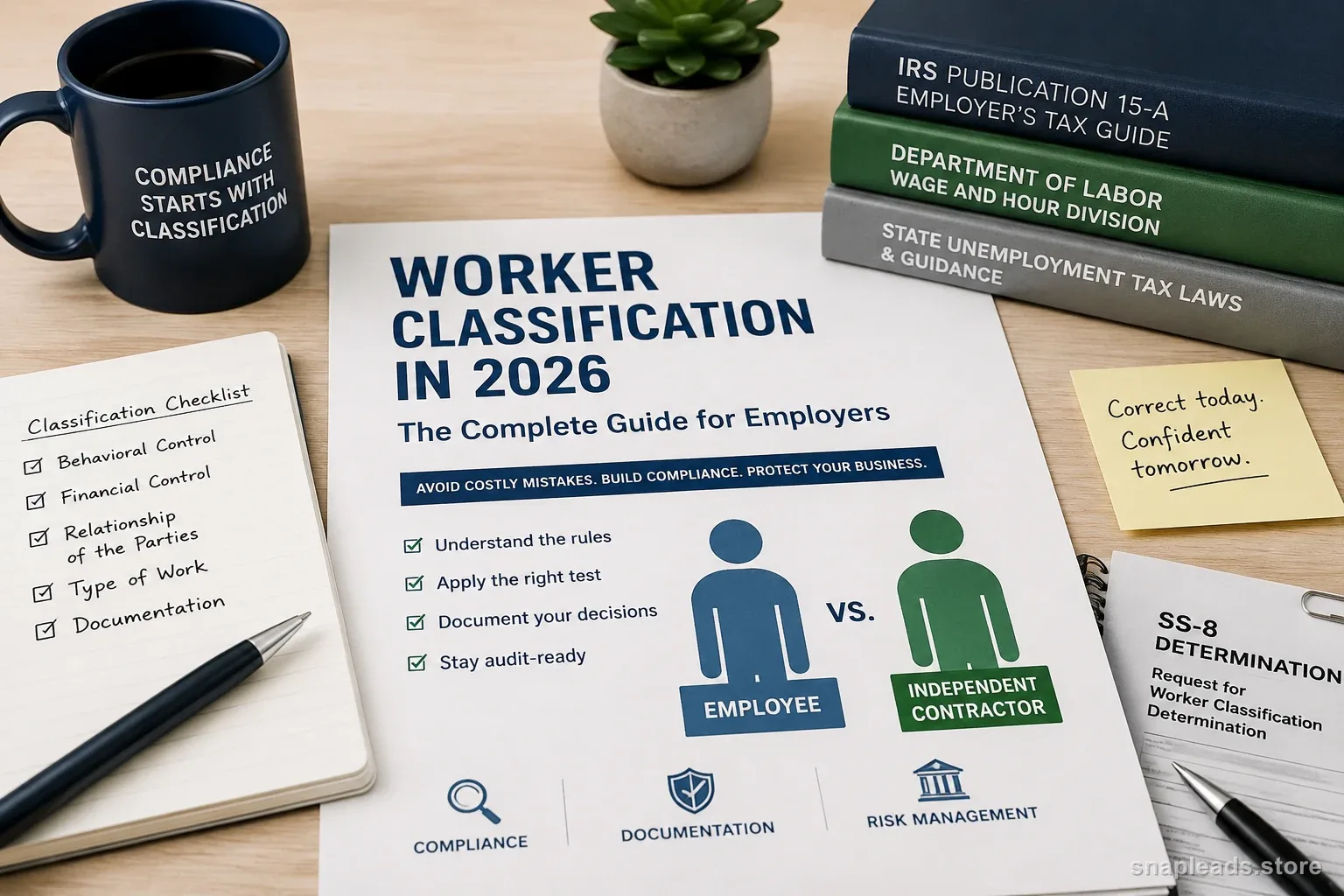 1099 or W-2? Start With the IRS Three-Category Classification Framework
 How Far Back Does a State Unemployment Audit Go?
 Can an IRS Audit Trigger a State Unemployment Audit?
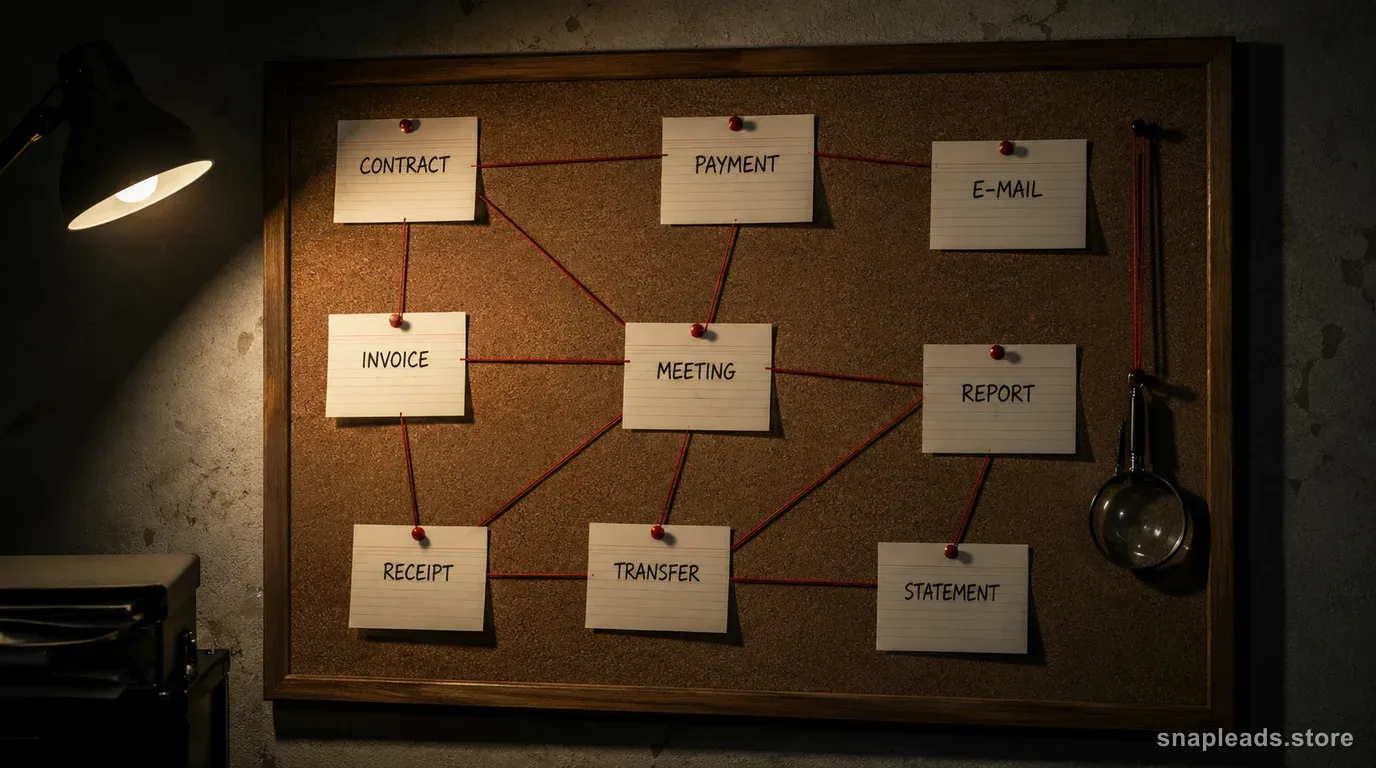 Can You Be Audited With Only 1099 Contractors?
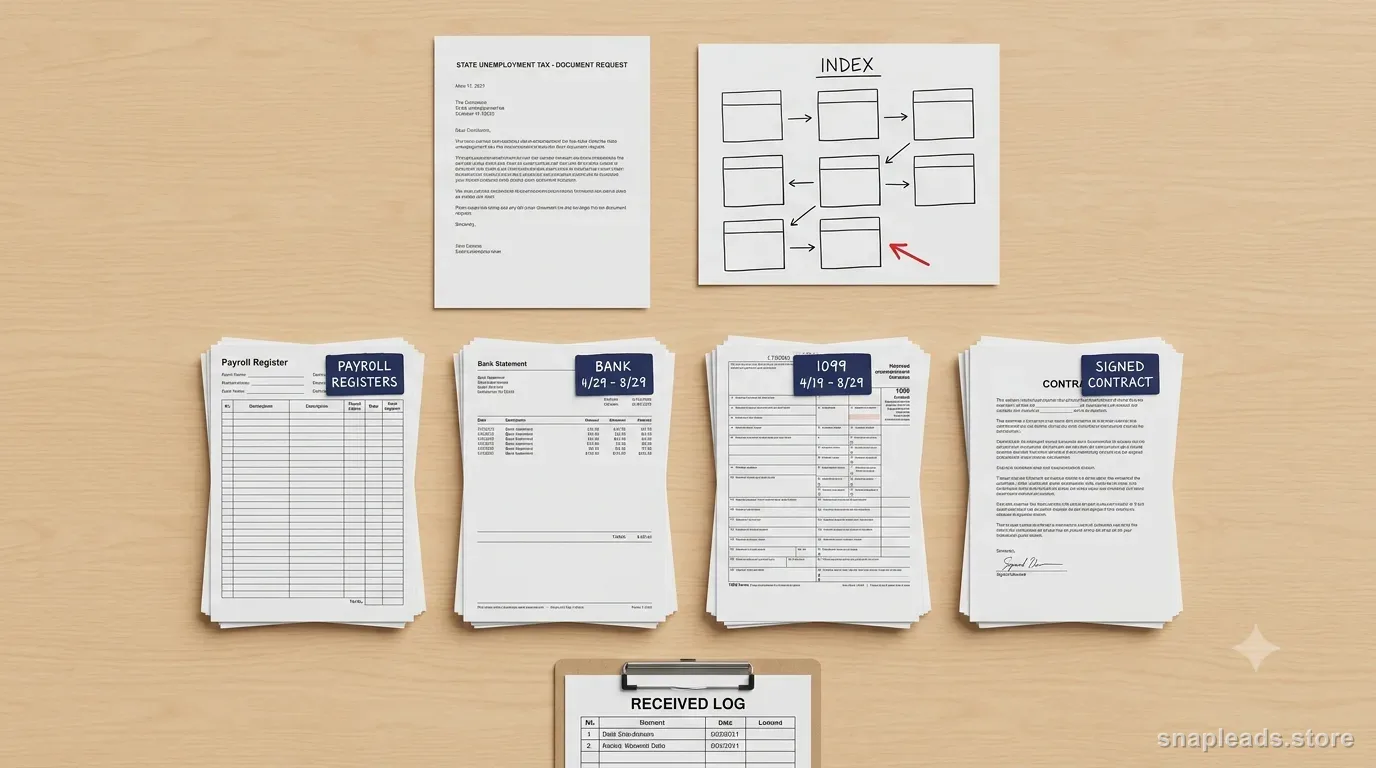 How to Organize a State Unemployment Audit Document Request